Activity (individual)
Critical Thinking Exercise
This activity will help you in critical and complex making decisions
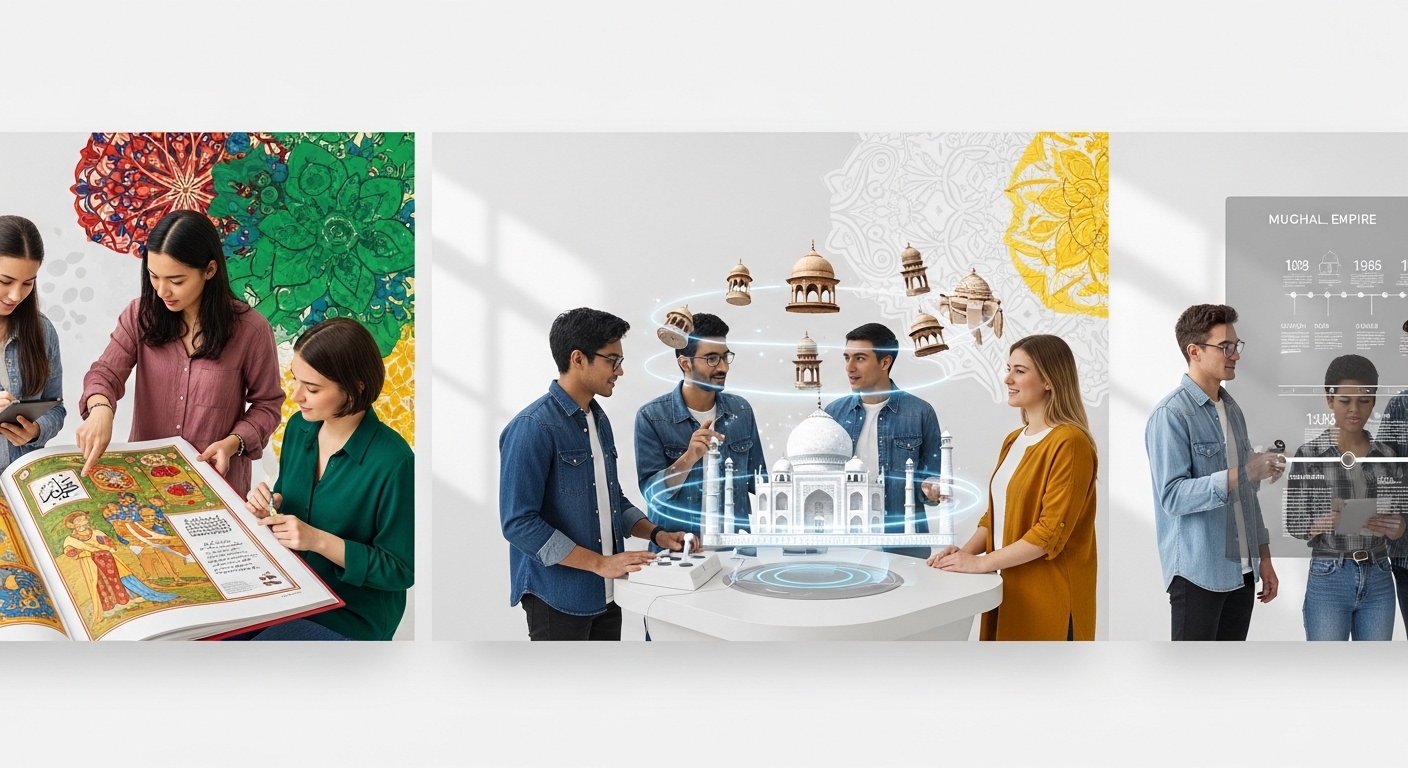
Mughal Dynasty Hierarchy activity
Role Reversal Activity to understand the concept of Heat in Physics.
In this activity, you take part in a peer interview for a Senior Project Coordinator role at NextGen Innovations. The focus is on showcasing your working style, collaboration skills, and ability to fit into a dynamic team environment through a professional conversation with a potential future colleague.
Participate in this activity to be a part of deeper conversations
Hello
Think, Analyse and Explore this activity
hello
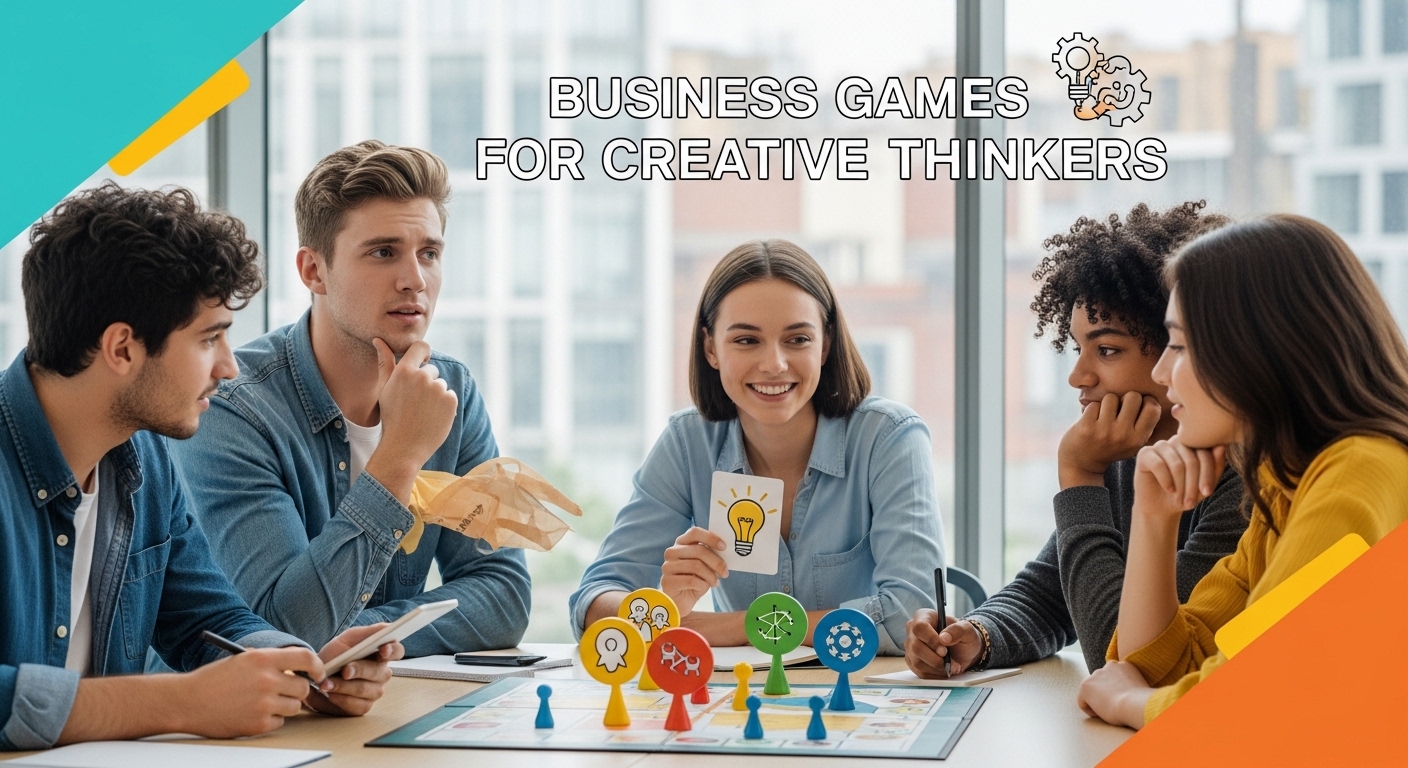
This activity is solely created for students and professionals who are eager to perform in Critical Thinking Situations.
This is a Jigsaw activity designed for advanced learners to explore the nuances of VSEPR theory.
Beyond creating a basic outline, what specific techniques do you use to make your structures more memorable or easier to understand, such as using visual cues, mind maps, or color-coding?
To make my outlines more dynamic and memorable, I incorporate visual and organizational strategies that go beyond simple text, engaging different parts of my brain.
These techniques transform the outline from a static document into an active learning tool, making the information easier to process and retain.
Start small with one new technique. For your next outline, try using just two different colors—one for main headings and another for supporting details. This simple visual distinction can make your structure much clearer and easier to remember.
Before you begin creating an outline for a new topic, what key information or main ideas do you prioritize to ensure your structure is logical and comprehensive?
To ensure a logical and comprehensive outline, I first focus on defining the primary learning objective or the core question the topic addresses. This provides a clear direction.
Prioritizing these elements helps create a purposeful framework rather than just a list of facts, ensuring the structure is built on a solid foundation.
Effective planning starts with a single question: 'What is the main goal of this task?' Before you begin, try writing down the primary objective in one sentence. This simple act can provide clarity and help you identify the most important ideas to focus on.
Before you begin creating an outline for a new topic, what key information or main ideas do you prioritize to ensure your structure is logical and comprehensive?
To ensure a logical and comprehensive outline, I first focus on defining the primary learning objective or the core question the topic addresses. This provides a clear direction.
Prioritizing these elements helps create a purposeful framework rather than just a list of facts, ensuring the structure is built on a solid foundation.
Effective planning starts with a single question: 'What is the main goal of this task?' Before you begin, try writing down the primary objective in one sentence. This simple act can provide clarity and help you identify the most important ideas to focus on.
While reading about conduction and convection, which action shows you are actively monitoring your understanding?
Pausing to ask yourself, 'Can I explain the key difference between these two in my own words?'
Excellent choice! Pausing to explain a concept in your own words is a powerful way to check your understanding. To build on this skill, try the 'Feynman Technique': pretend you are teaching the concept to a child. If you can't explain it simply, you'll know exactly where you need to review.
After reviewing the entire diagram, how can you best evaluate your overall understanding of the topic?
C
This is an excellent strategy! Recreating ideas from memory is a powerful way to evaluate what you know. To take this a step further, after you've drawn the main ideas, challenge yourself to add one specific example or a key detail to each branch. This deepens your evaluation and strengthens your memory.
To deepen your understanding using this concept map, which learning strategy would be most effective?
Augment the map by adding new connections or questions that link different sections, like Akbar's policies to his campaigns.
This is a fantastic insight into effective learning. You recognized that actively engaging with and adding to the material is more powerful than passively memorizing it. To build on this skill, make 'elaboration' a regular habit. Always ask yourself, 'How does this connect to what I already know?' or 'What's another example of this?' This will help you build stronger, more lasting knowledge.
After studying the entire map, which question best evaluates your critical understanding of the topic?
"How might the 'mansabdari' system have contributed to both the strength and weakness of the empire?"
Your response indicates a focus on evaluating what you can recall, rather than what you truly understand. To deepen your self-evaluation, try asking 'Why?' and 'How?' questions after you study. For example, instead of just listing facts, ask, 'Why was this policy important?' or 'How did this event influence what happened next?' This shifts your evaluation from memorization to critical thinking.
To effectively learn from this concept map on Heat, what is my most strategic first step?
I'll quickly scan the main sections (1-7) to understand the overall structure and connections.
Great choice! Starting with an overview is a powerful planning strategy that helps you see the big picture before diving into details. To enhance this, after your initial scan, try to predict which sections might be most challenging for you. This allows you to allocate your study time more effectively.
To improve my analytical skills, how can I enhance this gridding strategy for future topics?
By adding a 'Why?' or 'Implication' column to my grids to connect concepts more deeply.
Your answer focuses on gathering more information, which is a good start. To build true analytical skills, focus on connecting information, not just collecting it. Next time you create a study grid, add a 'Why?' or 'Connections' column. This will push you to think about how the ideas relate to each other and the bigger picture.
If you encountered a molecule that didn't fit neatly into your grid (e.g., SF₄), what would be your most productive response?
I would cross-reference advanced sources to understand the nuanced rules and then adapt my grid or add a section for exceptions.
Your response to adapt your grid when faced with an exception is excellent. This shows strong self-regulation and a desire to build a complete understanding. Keep cultivating this habit. You can even make it a deliberate part of your process by actively seeking out one or two 'exceptions to the rule' for any new concept you learn. This will consistently deepen your knowledge.
In competitive exams, progress is not just about studying more but understanding how you study. Confusion often signals real learning. Consistency without reflection limits growth. Performance depends on decision-making under pressure, not just knowledge. When students observe their thinking patterns, reactions, and mistakes, they gain better control over their approach, improve clarity, and perform more confidently during exams without relying only on effort.
Why do you seek new study materials when your current ones are still incomplete?
New resources create a feeling of progress without requiring deep effort. I feel like I’m improving, even if my basics are not clear. This leads to confusion and gaps. When I stick to fewer resources and revise them properly, my understanding becomes stronger and more stable over time.
Why do I avoid revisiting questions I got wrong, even when I know they matter the most?
Wrong answers feel uncomfortable, so I move forward to avoid that feeling. But those questions reveal exactly where I struggle. When I revisit them calmly, I understand my thinking mistakes and improve accuracy. Facing that discomfort helps me grow faster and reduces the chances of repeating the same errors in exams.
Why do I trust solved examples more than my own thinking process?
Solved examples feel reliable because they show a complete and correct path, while my thinking feels uncertain. I hesitate to trust my approach. But when I attempt first and then compare, I notice gaps clearly. Over time, this builds confidence and helps me rely on my reasoning instead of depending only on ready-made solutions.
test
How important is previous year question practice for exams like UPSC, CAT, or JEE?
Previous year questions are one of the most reliable tools in exam preparation. They reveal the actual pattern, difficulty level, and type of thinking required. Instead of guessing what to study, students start focusing on what truly matters. They also highlight frequently tested concepts and common traps. Regular practice builds familiarity, improves speed, and boosts confidence. Students who consistently solve PYQs usually approach the exam with better clarity and fewer surprises.
What is the most important skill students rarely practice during competitive exam preparation?
One overlooked skill is observing how the mind reacts while studying. Many students notice what they study but rarely notice how they think, lose focus, or approach a problem.
This awareness is part of metacognition. When someone starts observing their thinking process, study strategies begin to change naturally. Over time, this awareness leads to sharper decisions, better focus, and deeper learning.
What happens to curiosity when preparation becomes only about ranks and marks?
When preparation turns into a race for marks, curiosity slowly fades. Students begin to treat learning as a checklist instead of an exploration of ideas. Over time, questions become fewer and memorization becomes stronger.
Yet the irony is that the toughest exam questions often reward curiosity and deep thinking. When curiosity is preserved, preparation becomes more meaningful and understanding becomes much stronger.
Why do many students finish the syllabus but still struggle in exams like UPSC or JEE?
Finishing the syllabus often creates a false sense of progress. Many students move quickly from topic to topic without stopping to test their understanding. Competitive exams demand deeper thinking, pattern recognition, and clarity. When concepts are not truly understood, problems become difficult to solve in new situations. Slowing down, revisiting weak areas, and reflecting on mistakes often leads to stronger preparation.
Activities like Jigsaw and flipped learning shift responsibility toward me as a learner. At first, that feels demanding. But slowly I understand why it works. When I teach, question, and prepare before class, I notice my own thinking more clearly. I see where I hesitate and where I feel confident. That awareness changes how I learn. Instead of waiting for direction, I begin to take ownership. And that ownership is what makes learning last.
Digital Skills Essentials is a foundational course designed to equip learners with the core digital competencies needed in today’s technology-driven world. The course covers essential computer skills, effective use of digital tools, online communication, information management, and basic cybersecurity awareness. Learners will gain practical, hands-on experience to confidently navigate digital platforms, improve productivity, and adapt to modern academic or workplace environments. If you want it shorter, more formal, more beginner-friendly, or tailored for students / professionals / job seekers, tell me the audience and I’ll refine it perfectly.
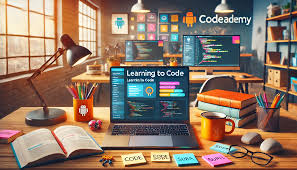
Learning a new skill, whether it is coding on a computer or playing the guitar, is an exciting and rewarding experience. It not only helps us grow as individuals but also teaches us important life lessons such as patience, dedication, and perseverance. In today’s fast-changing world, learning new skills has become more important than ever. When I decided to learn a new skill, I was both excited and nervous. At the beginning, everything seemed difficult and confusing. If it is coding, understanding programming languages and writing correct code can be challenging. Similarly, learning the guitar requires proper finger placement, practice of chords, and maintaining rhythm. In both cases, it is normal to feel frustrated in the early stages. However, with regular practice and determination, things slowly begin to improve. In coding, writing the first program that works correctly gives a sense of achievement and boosts confidence. In playing the guitar, being able to play a simple song smoothly brings joy and satisfaction. These small successes motivate us to keep going and work harder. Learning a new skill also helps in developing problem-solving abilities. Coding teaches us how to think logically and find solutions to complex problems. On the other hand, playing the guitar enhances creativity and improves concentration. Both skills require focus and continuous effort, which helps in building a strong mindset. Another important benefit of learning a new skill is that it builds self-confidence. When we overcome challenges and achieve our goals, we start believing in our abilities. It also teaches us the value of patience, as mastering any skill takes time. There are no shortcuts to success, and consistent effort is the key

This course empowers faculty to redesign their teaching using the integrated RAR (Review-Action-Reflection) framework and SIMD (Self-Instructional Metacognitive Development) system. You will learn to apply these metacognitive strategies to move beyond content delivery and foster the analytical, adaptive, and leadership skills essential in modern business. Through hands-on design labs, you will create activities that develop students' critical thinking, problem-solving, and anticipatory abilities. Transform your classroom into an active learning environment that produces self-regulated, future-ready business professionals.
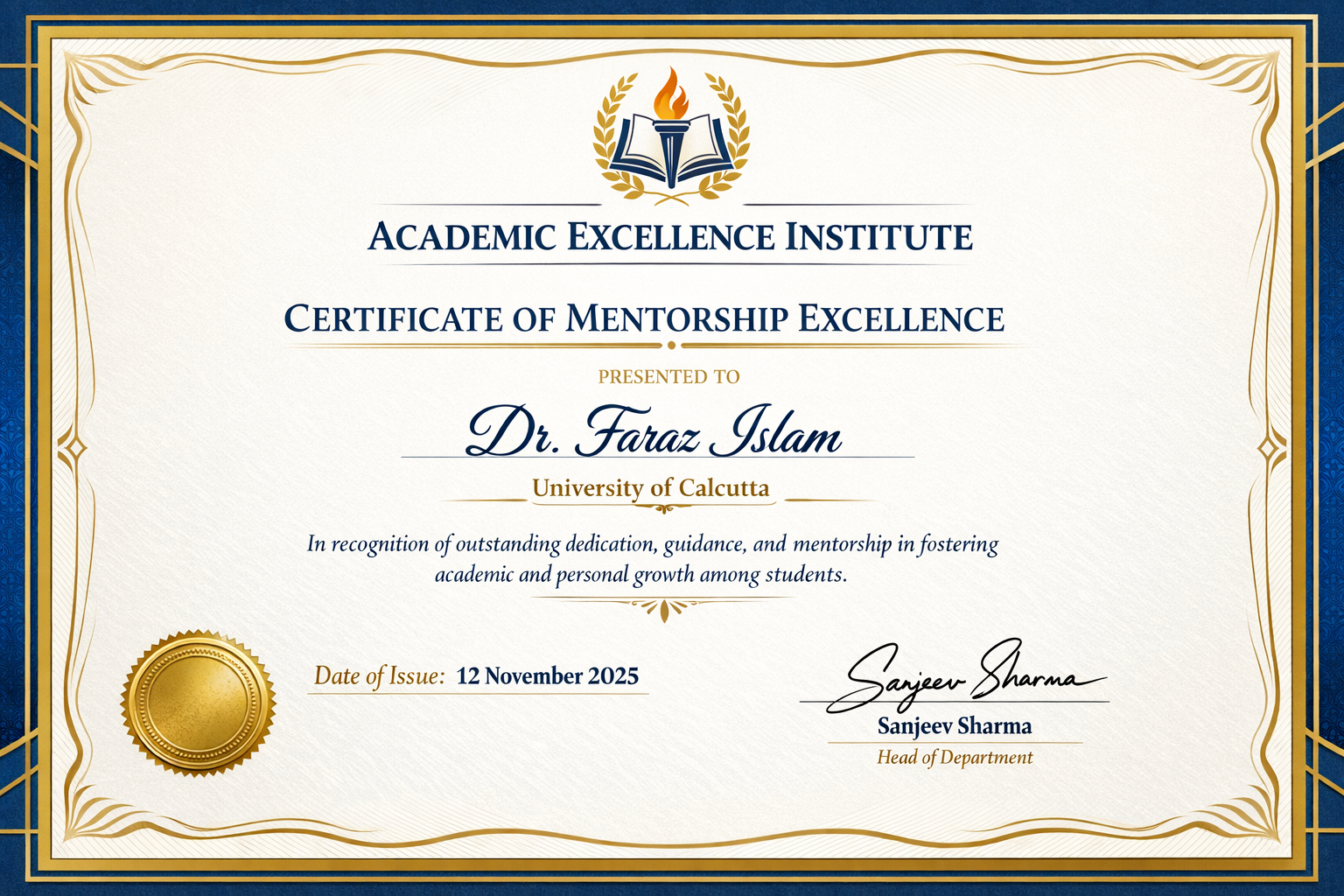
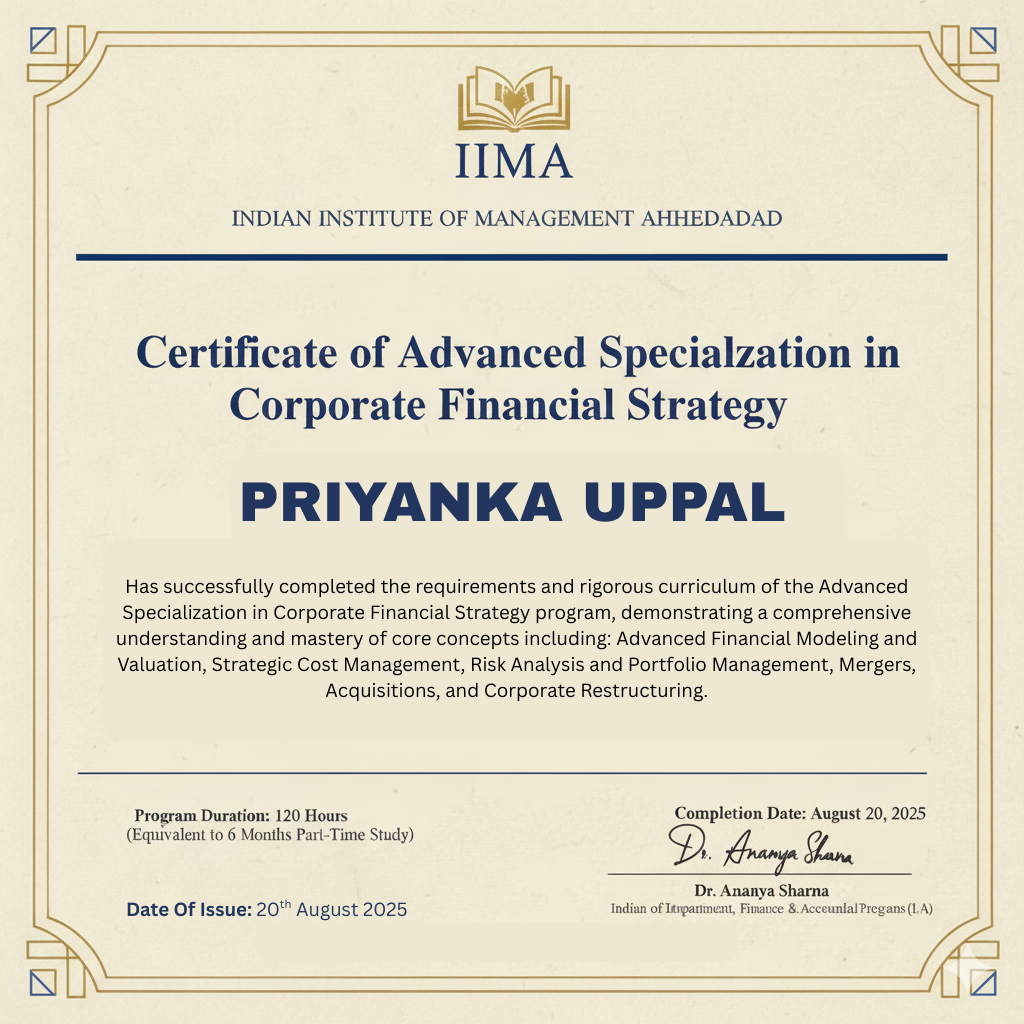
Honoured to receive the Certificate of Mentorship Excellence in recognition of my dedication to student guidance and academic leadership. Grateful for the support of my colleagues, students, and institution. Looking forward to continuing this journey of learning and mentorship.

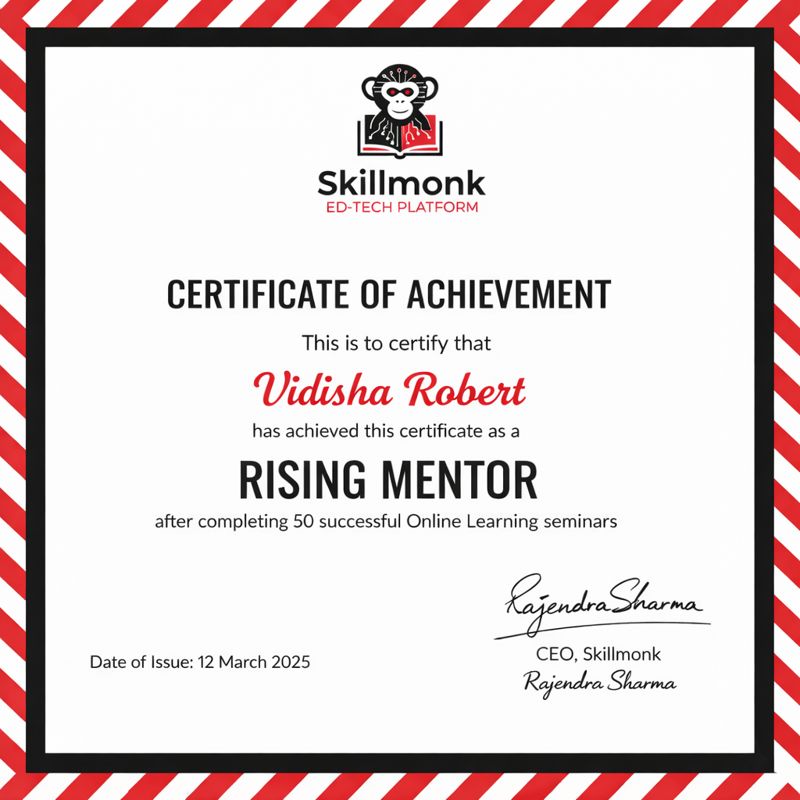
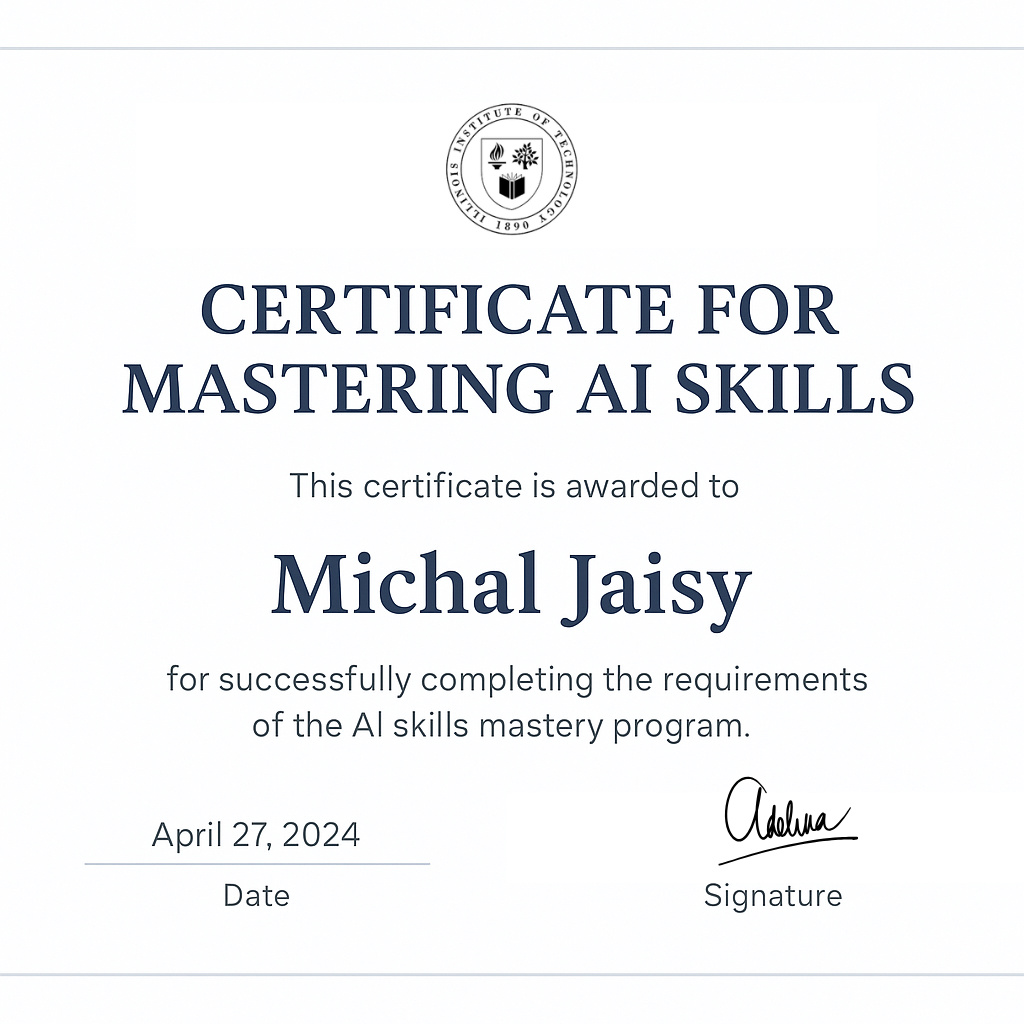
Proud to be recognized as a Rising Mentor by Skillmonk after successfully conducting 50 online learning seminars. This certification reflects dedication to knowledge sharing, mentorship, and empowering learners through impactful education.

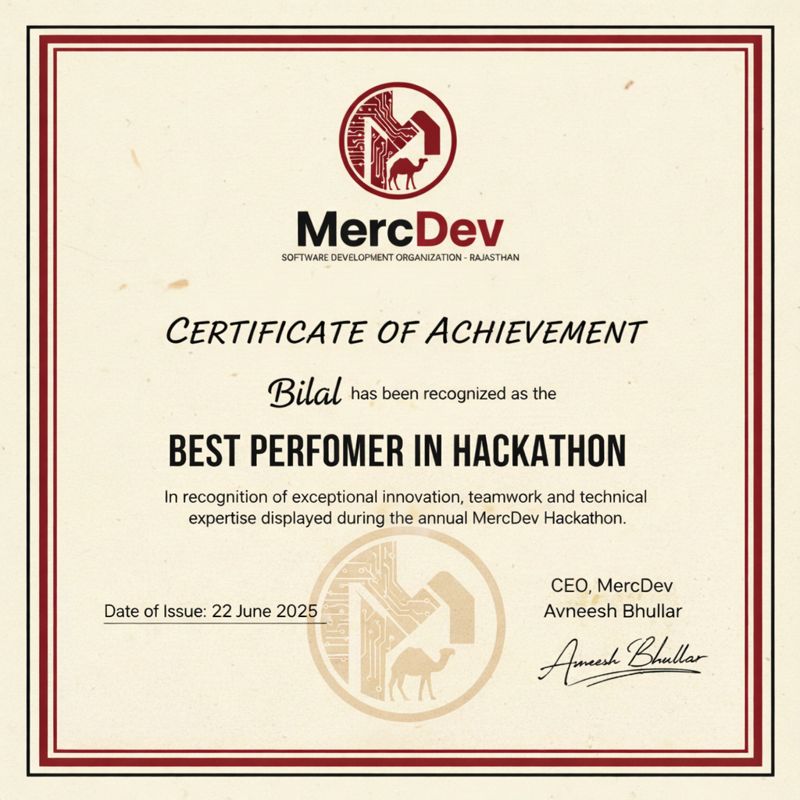
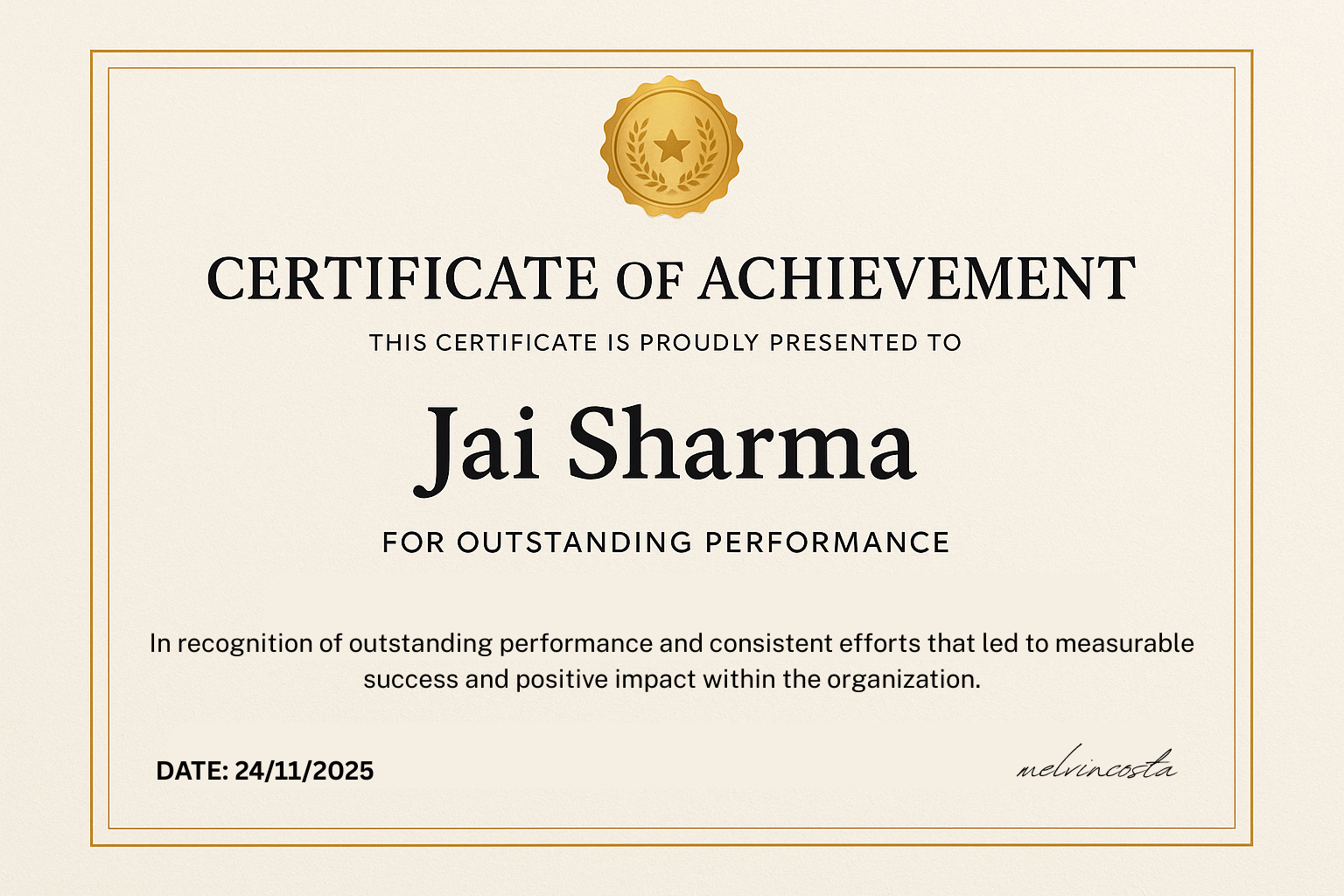
Honored to receive the Best Performer in Hackathon award from MercDev for demonstrating innovation, teamwork, and strong technical skills during the annual hackathon. Grateful for the opportunity to learn, collaborate, and grow with an amazing team.

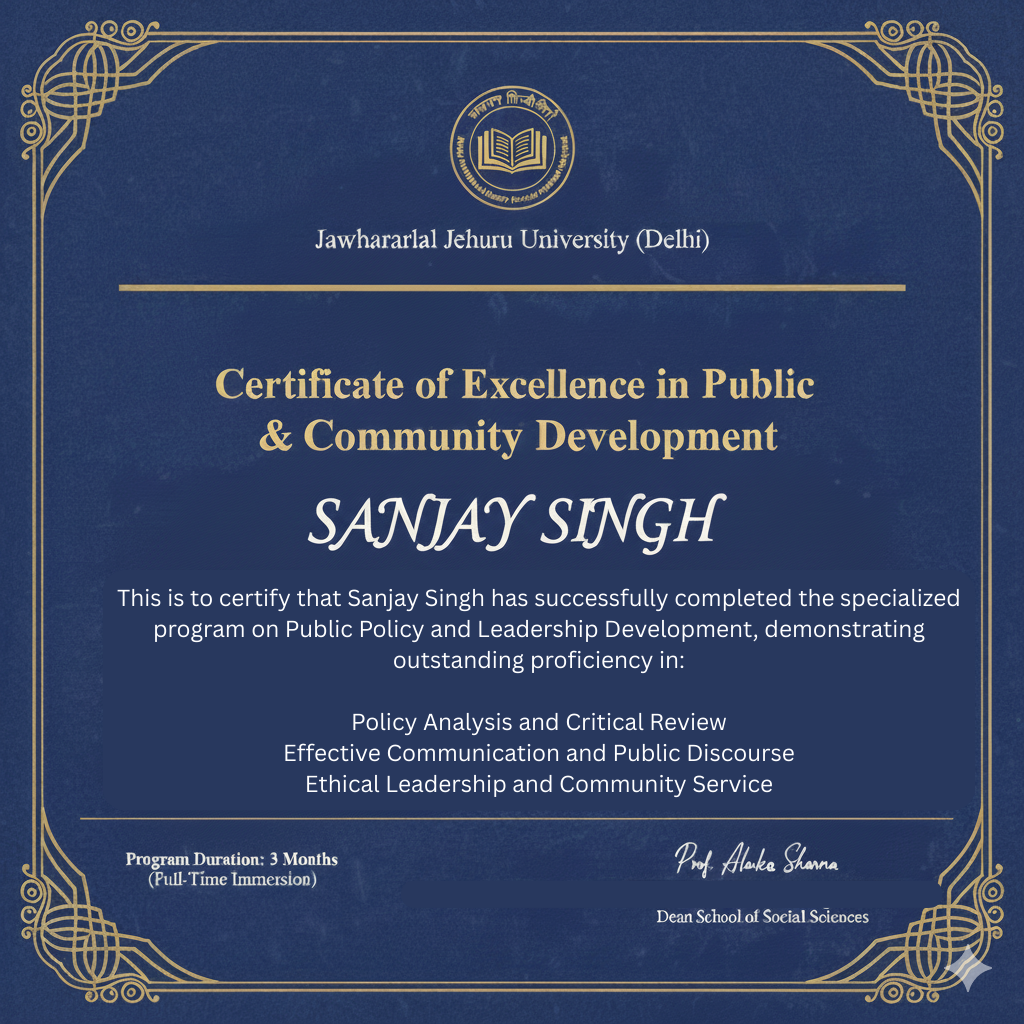
I'm excited to share a major milestone: earning a Certificate of Excellence in Public Policy and Leadership Development from JNU.
This certificate marks an important milestone in my learning journey. It represents consistent effort, skill development, and a strong drive to improve and perform better every day.
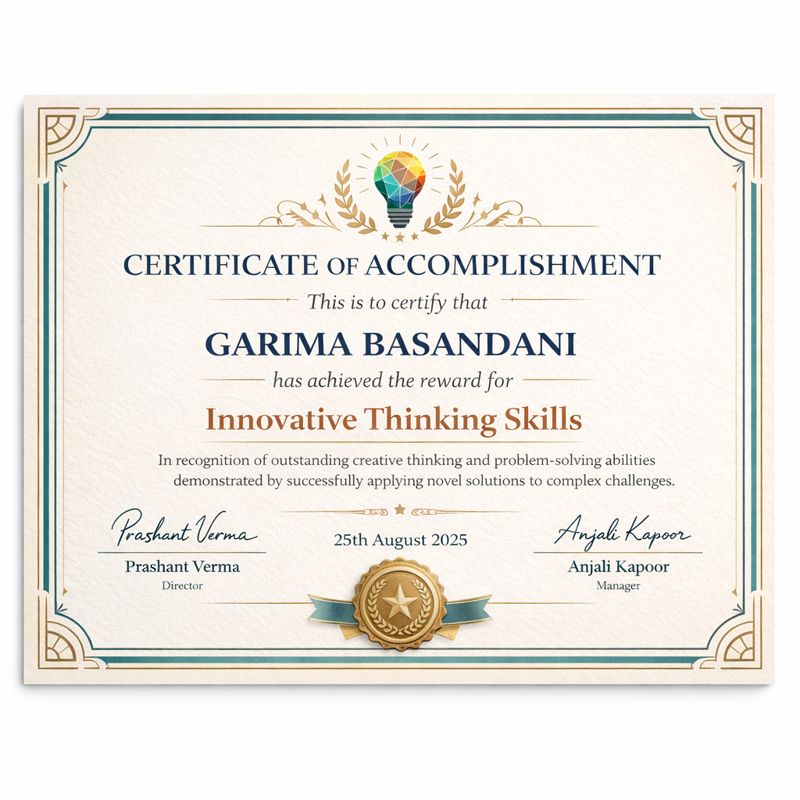
I am thrilled to share this wonderful achievement
I am higly obliged to work under such a wonderful team and would love to share my first step to success by achieving this certificate.