Simulation Activity:
Experience, Decide, Reflect with Purpose

Move beyond theory. Step into structured simulation sessions where real-world scenarios come alive inside the classroom. Engage in guided decision-making, teamwork and reflection tasks that sharpen judgment, adaptability and confidence.

Try for Free

What is the Simulation Activity?

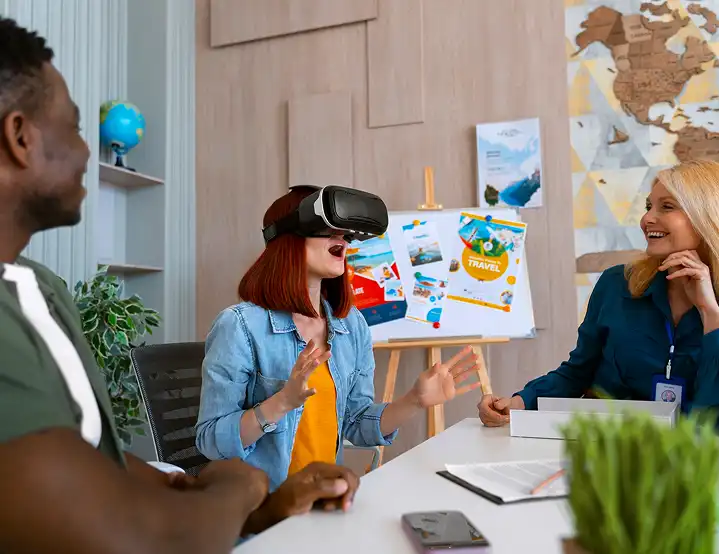
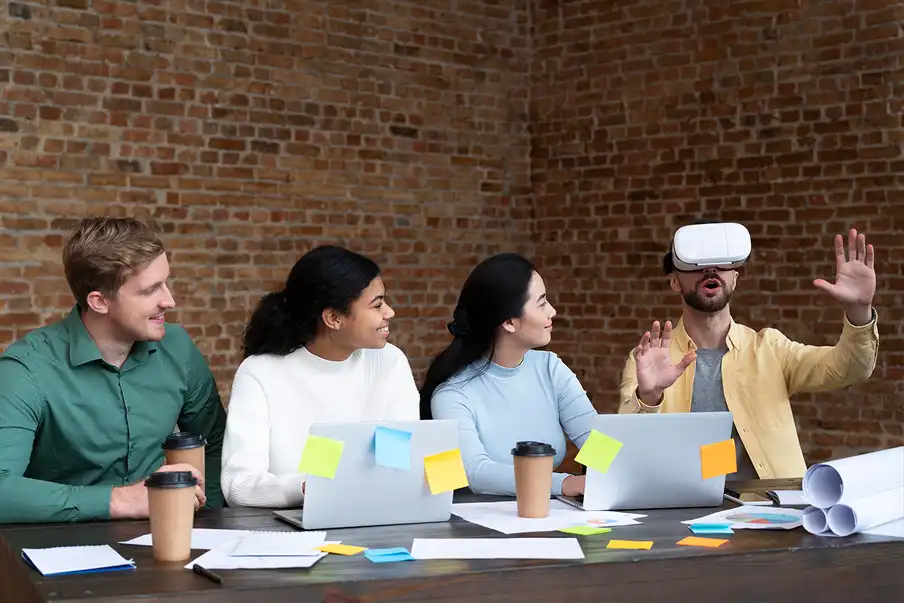
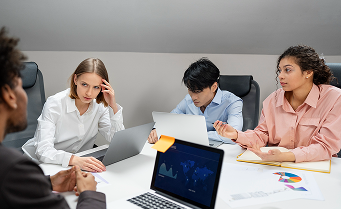
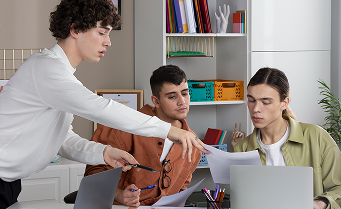
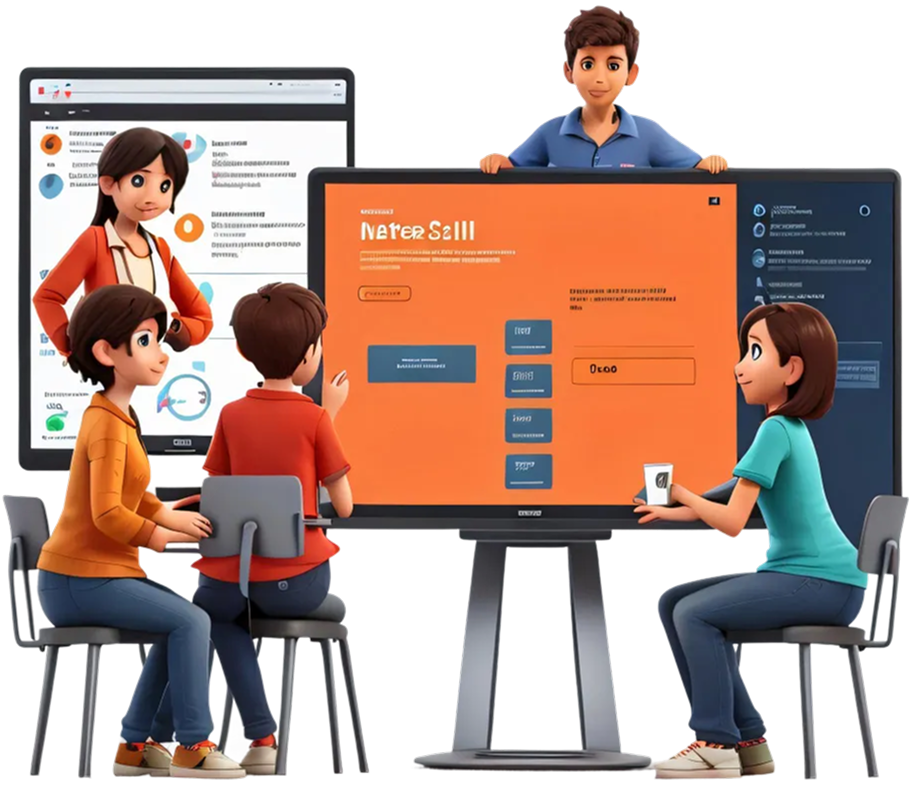
A simulation learning activity recreates realistic situations in a controlled academic setting so learners can practice decision-making without real-world risk. Instead of only discussing concepts, participants actively step into roles and navigate challenges that mirror professional or social environments.

This approach is known as a simulation activity for experiential learning because it connects theory directly with lived experience. Learners analyze information, respond to unfolding events, and evaluate consequences in real time.

A structured instructional simulation activity includes clear objectives, defined roles, guided checkpoints, and post-session reflection.

Try for Free

How Does the Simulation Enhance Learning?

Simulation transforms passive understanding into practical competence. Here is how it strengthens learning outcomes:

Encourages Real-Time Decision-Making

During a training simulation exercise, learners must assess information quickly and choose the best possible response. This strengthens strategic thinking and confidence under pressure.

Bridges Theory and Practice

A practical simulation exercise allows learners to apply classroom knowledge in realistic scenarios. Concepts become clearer when tested through action.

Strengthens Critical Thinking

Through applied simulation learning, participants analyze complex variables, adjust strategies, and evaluate outcomes. This dynamic process builds deeper reasoning skills.

Improves Communication and Teamwork

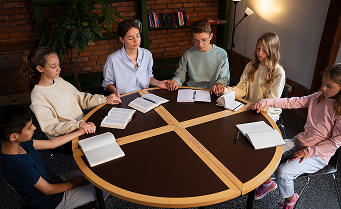
Many simulations involve group coordination. Learners must communicate clearly, listen actively, and collaborate effectively to reach shared goals.

Builds Confidence Through Safe Experimentation

Simulations provide a safe space to test ideas, make mistakes, and refine approaches without real-world consequences. This encourages risk-taking and growth.

Skills Developed Through This Activity

Simulation-based sessions strengthen both cognitive and interpersonal abilities. Key skills developed include:

  • Strategic Decision-Making

    Learners evaluate options and consider potential outcomes before acting.

  • Adaptability

    Changing scenarios require flexible thinking and quick adjustment.

  • Problem-Solving

    Participants identify issues, generate solutions, and test approaches during a structured scenario.

  • Leadership and Initiative

    Assigned roles encourage responsibility and proactive contribution.

  • Reflective Thinking

    After completing a simulation activity for experiential learning, learners analyze their performance and identify improvement areas.

How does YMetaconnect Support This Activity?

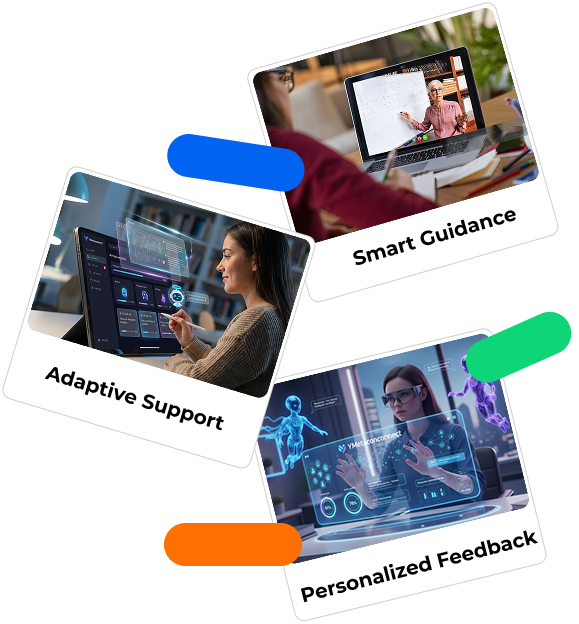
YMetaconnect enhances simulation-based learning through intelligent structure, monitoring, and reflection. Here’s how YMetaconnect supports this activity.

  • RAR AI’s Customized Scenario Selection

    The R-A-R AI tool recommends the most suitable instructional simulation activity based on topic complexity, learner readiness, and skill objectives. This ensures the right balance of challenge and engagement.

  • Structured Role Assignment

    Before beginning a training simulation exercise, participants receive clearly defined roles, objectives, and expectations. This preparation supports focused and meaningful participation.

  • Guided Execution and Monitoring

    During the practical simulation exercise, AI observes collaboration patterns, clarity of communication, and engagement levels. Feedback is generated to support continuous improvement.

  • Reflection and Performance Analysis

    Reflection is central to applied simulation learning. Learners review decisions, explore alternative strategies, and connect insights back to theoretical frameworks. Structured prompts guide deeper understanding and future readiness.

Frequently Asked Questions

Clear objectives, realistic scenarios, structured roles, and guided reflection make a simulation learning activity impactful and outcome-focused.

Most sessions range from 45 to 90 minutes, depending on complexity and discussion depth.

Yes. Simulations can be adapted for business, science, leadership, healthcare, and social sciences with topic-specific customization.

Active participation combined with reflection strengthens memory and conceptual understanding. Learners remember experiences more clearly than passive lectures.

Yes. Scenarios can be adjusted in complexity, and structured guidance ensures beginners feel supported and confident.

Our Latest Blog

View all

Concept Mapping in Education: Its Types, Origins, and Essential Elements

Making sense of complicated subjects becomes significantly easier when data is provided visually rather than through lengthy passages of text. This is where the power...

YMetaconnect

14 May 2026
Read More

Difference Between Group Discussion and Debate

Have you ever noticed what happens during a group discussion or debate in an interview room or classroom? Firstly, everything seems familiar. Discussions happen; people...

YMetaconnect

12 May 2026
Read More

Critical Thinking Examples One Must Know as a Student

Imagine two students preparing for the same exam. Both study the same topics, spend the same time, and follow the same notes. But when the...

YMetaconnect

08 May 2026
Read More

Cooperative Learning vs Collaborative Learning

Have you ever experienced being in a group project with one member doing everything, some members doing little, and others doing nothing at all? It’s...

YMetaconnect

07 May 2026
Read More