Peer Interview:
Ask, Listen, and Learn Through Conversation

Learn to ask, not just answer. Take part in a peer interview and structured interview activity sessions that build listening, confidence, and clear thinking. Join guided conversations and reflection tasks that help you use communication skills in real situations.

Try for Free

What is the Peer Interview Activity?

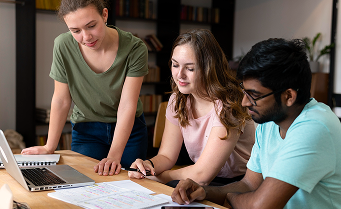
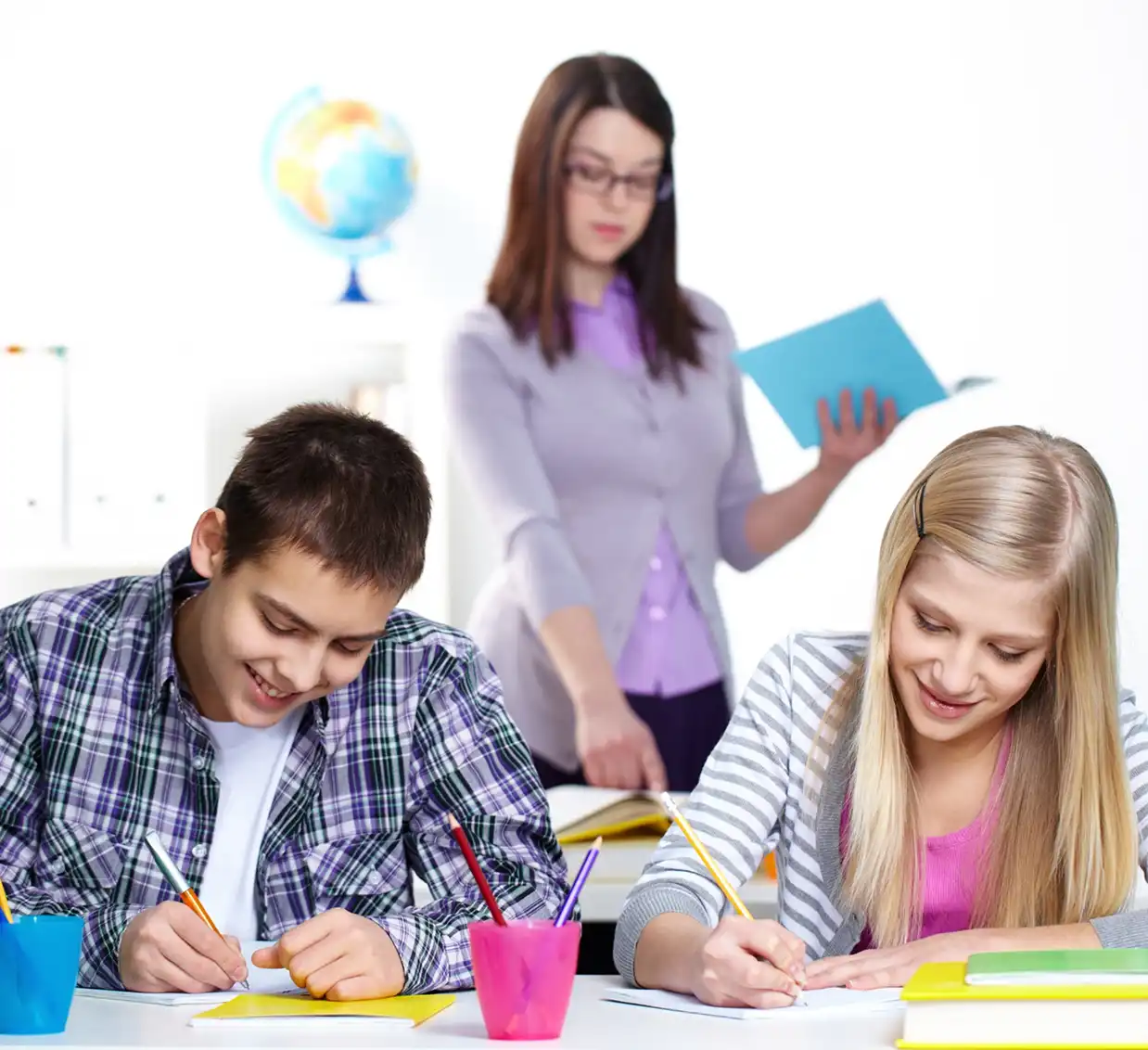
The peer interview activity includes structured conversations focused on asking questions, listening with attention, and sharing ideas clearly. Through these interview learning activity sessions, students step into the role of interviewer and speaker instead of staying silent. This creates real engagement inside the classroom.

Try for Free

How Does the Peer Interview Model Enhance Learning?

The peer interview activity helps learners listen carefully, respond clearly, and take part in meaningful dialogue. Here is how it enhances learning:

Improves Active Listening

Practice focusing on what others say and asking follow-up questions during a peer questioning activity, improving attention and understanding.

Strengthens Communication Skills

Speak clearly and respectfully in one-on-one or group interview sessions while guiding structured discussion.

Improves Critical Thinking

Think about answers more deeply and reflect on ideas during a focused classroom interview, building a stronger understanding.

Builds Confidence

Take part in a student interview activity and practice sharing ideas calmly in front of classmates.

Encourages Collaboration

Use the classroom peer interview method to share responsibility and support balanced participation in every session.

Skills Developed Through This Activity

Peer interviews help learners build important skills for growth and communication. Key skills developed by this activity are:

  • Builds Empathy

    Understand different perspectives by listening to personal experiences and viewpoints.

  • Improves Question Framing

    Learn how to create meaningful, open-ended questions that lead to deeper discussion.

  • Enhances Self-Awareness

    Reflect on personal responses and recognize strengths and areas for improvement.

  • Strengthens Respectful Dialogue

    Practice disagreeing politely and responding thoughtfully during an interview-based learning activity.

  • Encourages Accountability

    Take responsibility for preparation, participation, and contribution during each session.

How does YMetaconnect Support This Activity?

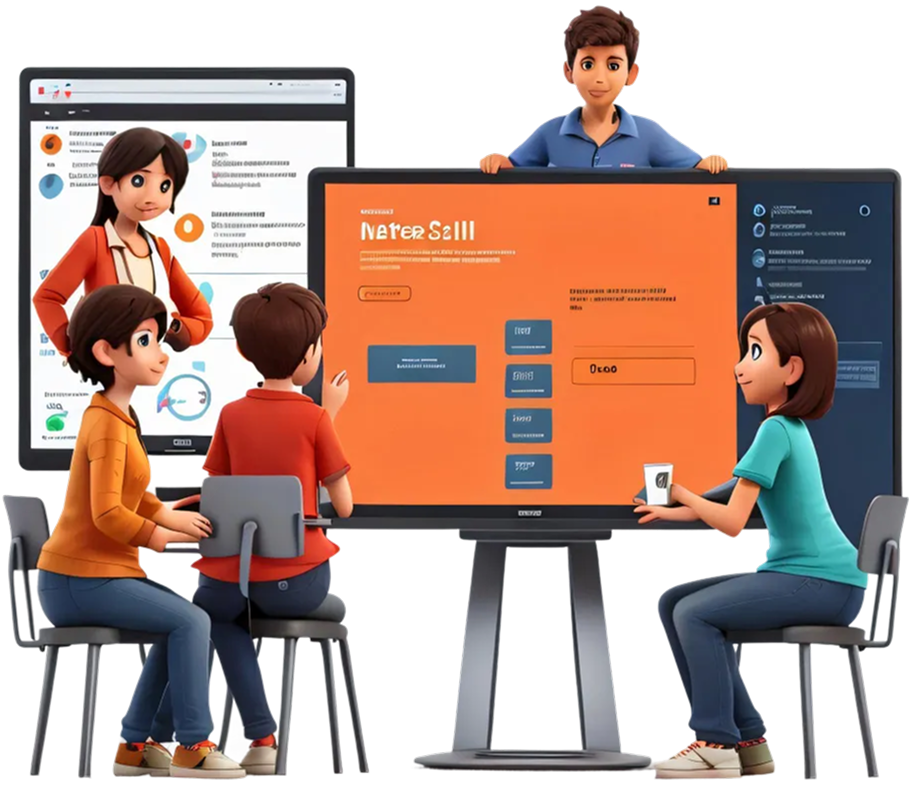
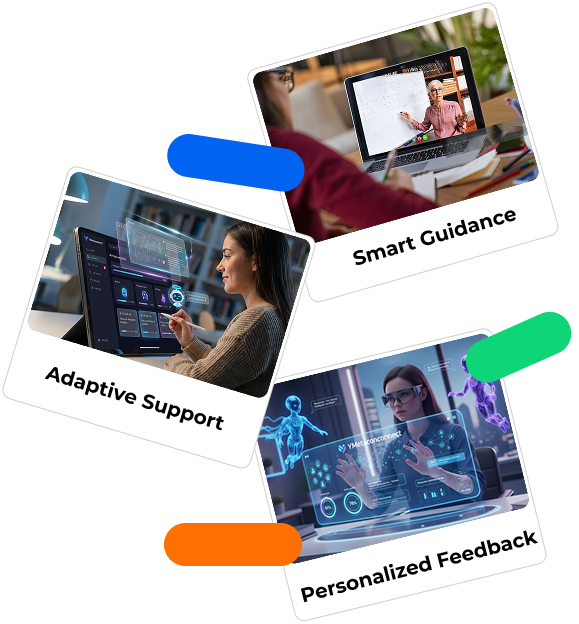
YMetaconnect strengthens the peer interview activity by guiding learners through a clear flow that includes preparation, interaction, and reflection. Here’s how YMetaconnect supports this activity:

  • RAR AI’s Customized Activity Selection

    Peer sessions are recommended by YMetaconnect’s R-A-R AI tool based on topic, learner readiness, skill level, and group composition. Learners receive structured prompts that match their goals and encourage meaningful participation.

  • Structured Activity Preparation

    Learners prepare questions, understand their roles, and review expectations before the session begins. Short prompts help students arrive ready to ask, listen, and respond with clarity.

  • In-Session Application and Collaboration

    During the activity, learners conduct interviews, switch roles, and engage in focused conversation. Clear structure keeps discussions balanced and productive.

  • Monitoring and Evaluation of Skills

    AI tracks participation, listening habits, question clarity, and response quality. Learners receive feedback that reflects growth in communication and teamwork.

  • Reflection and Improvement

    Finally, AI guides learners through reflection. Students review their responses and participation to improve future peer interview sessions.

Frequently Asked Questions

Yes. Peer interviews can be adjusted for different ages and skill levels. Questions and structure can be shaped to match learning needs.

The duration varies. Some sessions last 30–60 minutes, while others may continue across multiple classes depending on the topic and goals.

Yes. They support regular lessons by helping students practice listening, questioning, and reflection while applying subject knowledge.

Progress is tracked through participation, question quality, listening skills, and clarity of responses. Feedback from instructors or AI tools helps learners see where they are improving.

Peer interviews help learners strengthen communication, listening, collaboration, and critical thinking. They also build confidence through structured dialogue practice.

Our Latest Blog

View all

Concept Mapping in Education: Its Types, Origins, and Essential Elements

Making sense of complicated subjects becomes significantly easier when data is provided visually rather than through lengthy passages of text. This is where the power...

YMetaconnect

14 May 2026
Read More

Difference Between Group Discussion and Debate

Have you ever noticed what happens during a group discussion or debate in an interview room or classroom? Firstly, everything seems familiar. Discussions happen; people...

YMetaconnect

12 May 2026
Read More

Critical Thinking Examples One Must Know as a Student

Imagine two students preparing for the same exam. Both study the same topics, spend the same time, and follow the same notes. But when the...

YMetaconnect

08 May 2026
Read More

Cooperative Learning vs Collaborative Learning

Have you ever experienced being in a group project with one member doing everything, some members doing little, and others doing nothing at all? It’s...

YMetaconnect

07 May 2026
Read More