Presentation:
From Ideas to Spotlight, Build Confidence and Communicate Clearly

Organize ideas, improve speaking skills, and deliver messages effectively with the presentation activity in any situation. With hands-on practice, gain confidence, clarity, and communication.

Try for Free

What is the Presentation
Activity?

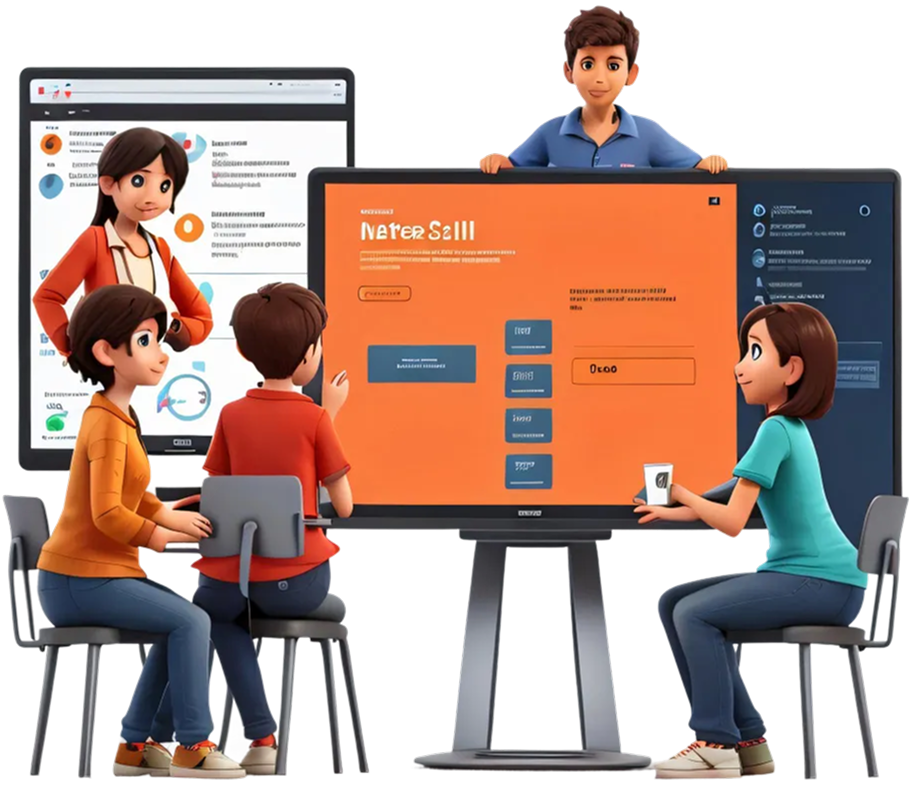
The presentation activity is a guided learning activity in which learners create and deliver presentations. It involves structured planning, pre-speech prompts, audience-response activities, and self-reflection exercises to improve communication, critical thinking skills, and confidence.

Try for Free

How Does This Activity Enhance Learning?

The presentation activity for learners develops reasoning, creativity, and decision-making through speaking practice. It improves both confidence and clarity in expressing ideas. Here is how presentation training improves learning:

Encourages Clear Communication

Student presentations help them to articulate their ideas in a structured manner, which improves the overall clarity, tone, and engagement that leads to better understanding and connection with the audience.

Boosts Organization Skills

In planning and structured presentation, learners learn how to develop their thoughts in a logical order and how to present their ideas fluently.

Strengthens Critical Thinking

Preparing content involves the analysis and evaluation of information, which helps the learner to identify key points and questions and communicate difficulties.

Enhances Creativity

Designing slides, storytelling, and visual aids promotes a sense of exploration of different, creative ways of expressing concepts, as well as presenting the ideas in a confident manner.

Builds Confidence and Adaptability

Continuous presentation practice and feedback help learners in managing nervousness, adapting to audience responses, and improving their skills for different real-life situations.

Key Skills Developed Through This Activity

This activity equips learners with essential skills for school, work, and personal growth through structured presentation exercises online and offline. Key skills developed by this activity are:

  • Communication & Verbal Skills

    Learners improve their ability to communicate clearly and effectively through practice. The presentation skills activity allows learners to improve their choice of words and engagement with their audience.

  • Organization & Structured Thinking

    Students learn how to organize their ideas and develop a logical flow to their content while prioritizing points to create effective and coherent presentations.

  • Critical Thinking & Problem Solving

    Delivering presentations helps learners to analyze information, evaluate arguments, and develop solutions to challenges such as audience questions or information gaps.

  • Evaluation & Judging Performance

    Students learn to evaluate their own performance and that of their fellow learners to determine the effectiveness of the learning activity and identify areas of improvement.

  • Resilience & Adaptability

    Through repetitious practice and receiving feedback, participants develop patience, confidence, and adaptability to unforeseen challenges that may arise during presentations.

How does YMetaconnect Supports This Activity?

YMetaconnect ensures learners gain maximum benefit from the guided presentation activity through structured guidance, monitoring, and reflection, making practice meaningful and practical. Here’s how it supports this activity:

  • RAR AI's Customized Activity Selection

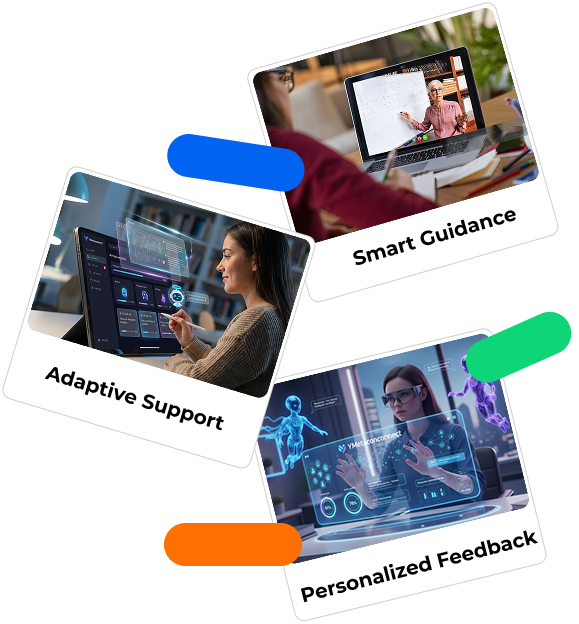
    YMetaconnect’s R-A-R AI recommends presentation activities that are suited to learners’ age, skill level, and learning goals, ensuring activities build confidence and competence effectively.

  • Guided Problem Solving

    After selection of an activity, learners receive step-by-step support for planning, structuring, and delivering presentations, including tips, examples, and strategies to improve clarity and flow.

  • Applying the Presentation Activity

    The R-A-R AI tool encourages learners to rehearse speeches, design visuals, and engage with audience scenarios, applying skills in practical, real-life situations.

  • Monitoring and Evaluation of Skills

    AI tracks the performance metrics, highlighting strengths, gaps, and improvements in communication, organization, critical thinking, and presentation delivery.

  • Reflection and Improvement

    Regular review and self-reflection help learners assess delivery, note areas for improvement, and adopt best practices to improve future presentations.

Our Latest Blog

View all

Concept Mapping in Education: Its Types, Origins, and Essential Elements

Making sense of complicated subjects becomes significantly easier when data is provided visually rather than through lengthy passages of text. This is where the power...

YMetaconnect

14 May 2026
Read More

Difference Between Group Discussion and Debate

Have you ever noticed what happens during a group discussion or debate in an interview room or classroom? Firstly, everything seems familiar. Discussions happen; people...

YMetaconnect

12 May 2026
Read More

Critical Thinking Examples One Must Know as a Student

Imagine two students preparing for the same exam. Both study the same topics, spend the same time, and follow the same notes. But when the...

YMetaconnect

08 May 2026
Read More

Cooperative Learning vs Collaborative Learning

Have you ever experienced being in a group project with one member doing everything, some members doing little, and others doing nothing at all? It’s...

YMetaconnect

07 May 2026
Read More