Role Play Group: Learning by Stepping Into Someone Else’s Shoes

Step into a situation and act it out. Speak your part. Listen carefully. React naturally. Through role play, students practice communication, teamwork, and decision-making in a way that feels close to real life.

Try for Free
Presentation Video

What is the Role Play Activity?

A role play activity is when students take on different roles and act through a situation. It might be a customer and shopkeeper, a teacher and parent, or characters from history. The idea is simple: instead of just talking about a topic, students step into it.

This role play learning activity helps students move from theory to experience. They do not just read about ideas. They test them through conversation, response, and interaction. That makes learning stick.

Try for Free

How Does the Role Play Activity Enhance Learning?

When students act something out, the classroom changes. It becomes more alive. There is movement, conversation, and real thinking happening. Here’s how it enhances learning:

Encourages Active Participation

In a classroom role play, students cannot hide behind their notebooks. They have a part to play. That responsibility keeps them engaged.

Builds Confidence in Speaking

Some students hesitate to speak. But when they are “in character,” it feels easier. They speak with more freedom and less fear.

Strengthens Real-World Thinking

Role play often includes a challenge. A disagreement. A problem to fix. Students must think quickly and respond in a logical way.

Develops Understanding of Different Views

When students act as someone else, they begin to understand different perspectives. This builds empathy naturally.

Supports Reflection

After the scene ends, students talk about what happened. They discuss what worked and what did not. That discussion is where deeper learning happens.

Skills Developed Through This Activity

The role play activity for students supports both academic and life skills. The key skills developed include:

  • Communication

    Students practice clear speaking. They also learn to listen without interrupting. Both skills improve with repetition.

  • Teamwork

    Preparation often happens in small groups. Students plan together and support each other during the performance.

  • Critical Thinking

    Students must respond based on the situation. There is no fixed script. They must think.

  • Confidence

    Standing in front of classmates builds courage over time. It becomes easier with practice.

  • Creativity

    Students bring personality and fresh ideas into the scene. That keeps the activity engaging.

How does YMetaconnect Support This Activity?

The role play method in teaching works best when it has structure. YMetaconnect helps guide that process without making it rigid. Here’s how YMetaconnect supports this activity:

  • RAR AI’s Customized Activity Selection

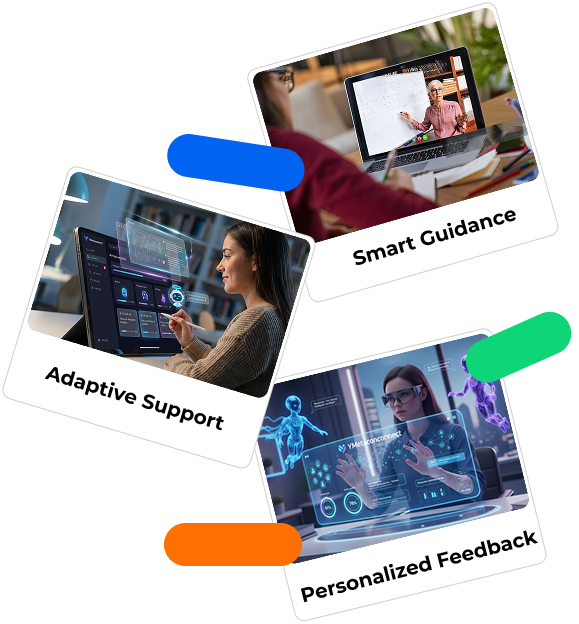
    YMetaconnect’s R-A-R AI tool suggests a role play scenario based on the lesson topic and students’ readiness level. It also considers the skills being developed. This keeps the activity connected to learning goals instead of feeling random.

  • Structured Preparation

    Before starting, students get time to prepare. They may read a short scenario, think through guiding questions, or plan their responses. This helps them feel more confident when it is time to participate.

  • In-Session Performance and Observation

    During the session, some students act while others observe closely. Observers take notes, reflect on responses, and prepare feedback. This keeps everyone involved, even if they are not performing.

  • Monitoring and Skill Evaluation

    Participation and communication are reviewed during the activity. Students receive feedback on clarity, teamwork, and engagement to help them improve.

  • Reflection and Continuous Improvement

    After the activity, students discuss what went well and what could improve. This final step helps turn the experience into lasting learning.

Frequently Asked Questions

A role play learning activity allows students to act out situations so they can understand ideas better. It is learning through action.

Yes. It fits language, history, social studies, and even science discussions.

Discussion is talking about ideas. Role play is acting them out. That difference makes it more active.

Students build communication, teamwork, and confidence. Role play exercises for communication skills are especially useful for improving clarity and listening.

Because students remember what they experience, acting makes lessons more real.

Our Latest Blog

View all

Concept Mapping in Education: Its Types, Origins, and Essential Elements

Making sense of complicated subjects becomes significantly easier when data is provided visually rather than through lengthy passages of text. This is where the power...

YMetaconnect

14 May 2026
Read More

Difference Between Group Discussion and Debate

Have you ever noticed what happens during a group discussion or debate in an interview room or classroom? Firstly, everything seems familiar. Discussions happen; people...

YMetaconnect

12 May 2026
Read More

Critical Thinking Examples One Must Know as a Student

Imagine two students preparing for the same exam. Both study the same topics, spend the same time, and follow the same notes. But when the...

YMetaconnect

08 May 2026
Read More

Cooperative Learning vs Collaborative Learning

Have you ever experienced being in a group project with one member doing everything, some members doing little, and others doing nothing at all? It’s...

YMetaconnect

07 May 2026
Read More