Our Insights

Explore powerful ideas, tools, and methods that make education more engaging, meaningful, and effective.

Top Government Exams to Consider After Graduation

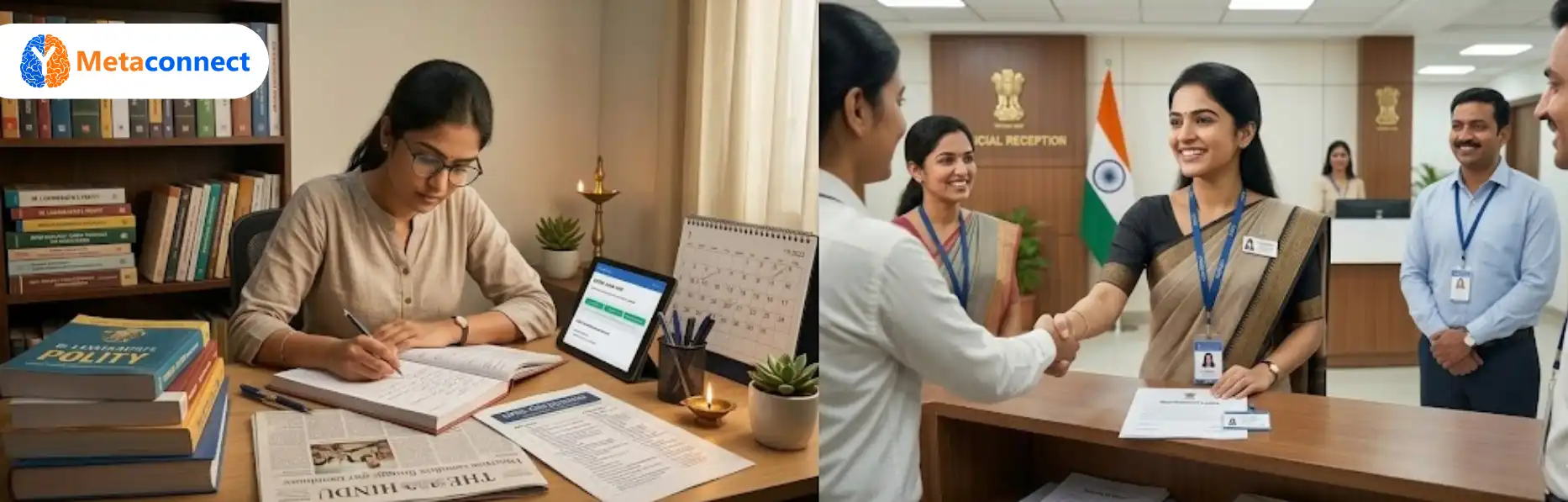
Your graduation is complete. Now you are standing at a turning point. The next decision you make can shape your career for years. Many graduates in India consider government exams after graduation because they offer job security, stable income, structured growth, and social respect. But the real challenge is not preparing. The real challenge is choosing the right exam. Each government exam demands a different skill set, preparation style, and career mindset. If you choose carefully, you save years of effort. If you choose randomly, you may feel stuck. If you are searching for the best exams after graduation, understanding your strengths becomes even more important before starting preparation. This blog gives insight into the top government exams in India. Let’s understand this in more detail. Top 10 Government Exam You Should Explore After Graduation After graduation, several competitive exams become available to you. The key is selecting one that matches your strengths and long-term goals. Many students actively search for government jobs after graduation, but do not always understand the exam pattern. Below are the best options you can consider. Let’s check out these in detail. ➢ UPSC Civil Services Examination This is one of the most prestigious and competitive exams in India. It recruits officers for high-level administrative roles across the country. It is often listed among the top 10 government exam options for serious aspirants. This exam suits candidates who want leadership responsibility and long-term administrative authority. Many consider it among the best government jobs after graduation due to the power and respect it offers. Key highlights: It consists of three stages, including prelims, mains, and a personality interview. The syllabus covers history, politics, economy, geography, science, and current affairs. Requires strong writing skills and deep conceptual understanding. Preparation often demands one to three disciplined years. If you are serious about cracking this exam, proper guidance and the right environment can make preparation more organized. You can explore the best UPSC exam preparation centers in Jaipur for more guidance. ➢ State Public Service Commission Exams Each state conducts its own PSC exam to recruit officers for administrative positions. These roles focus on governance at the state level. It is ideal for graduates who want to serve their own state and community directly. These are also popular government exams after graduation for candidates preferring local postings. Key highlights: It is conducted separately by individual state governments. Includes state history, local policies, and regional development topics. Recruits posts such as SDM, DSP, and administrative officers. Competition is strong, but the syllabus is slightly narrower than UPSC. ➢ SSC Combined Graduate Level Examination SSC CGL recruits graduates for central government office positions. It is popular among candidates seeking structured desk jobs. It is best suited for candidates comfortable with aptitude-based competitive exams. Many students preparing for competitive exams for government jobs prefer SSC due to its clear pattern. Key highlights: Consists of multiple computer-based stages, including tiered examinations. Focuses on quantitative aptitude, reasoning, English, and awareness. Posts include Income Tax Inspector and Assistant Section Officer. Offers fixed working hours with regular promotional growth. ➢ Banking Exams (IBPS and SBI) Banking exams recruit officers and clerks for public sector banks across India. These roles combine financial responsibility and customer service. It is suitable for graduates confident with numbers and structured office environments. Banking is often seen as one of the strong government exams after graduation pathways. Key highlights: Includes prelims, mains, and interview assessment rounds. Tests reasoning ability, quantitative aptitude, and English comprehension. Promotions based on performance and internal evaluations. Transfers between branches may occur during career progression. ➢ Railway Recruitment Board Exams Railway exams provide long-term employment within one of India’s largest public sectors. Both technical and administrative roles are available. It is a practical choice for those prioritizing job security and government benefits. Many candidates look for govt job exams after graduation and consider the railways first. Key highlights: Conducted by the Railway Recruitment Board nationwide. Includes NTPC and graduate-level administrative categories. The exam tests math, reasoning, and general awareness knowledge. Offers housing, travel concessions, and medical benefits. ➢ Combined Defence Services Examination This exam recruits officers for the Army, Navy, and Air Force after graduation. It is suited for candidates seeking uniformed leadership roles. Best for graduates prepared for a disciplined and demanding service life. Defense remains one of the most respected top exams for government jobs in India. Key highlights: It is conducted by UPSC twice each year. Includes a written exam followed by an SSB interview. Physical fitness and discipline are mandatory requirements. Offers early leadership exposure and a structured career path. ➢ Teaching Exams (UGC NET, CTET, TET) Teaching exams open opportunities in schools and colleges for graduates. They provide structured academic careers with defined schedules. Ideal for graduates who enjoy guiding students and sharing knowledge. Many view teaching as a reliable government exams after graduation option. Key highlights: UGC NET is required for Assistant Professor eligibility. CTET and TET are required for school-level government teaching. Focus on subject expertise and teaching-aptitude evaluation. Offers stable hours aligned with the academic calendar. ➢ LIC AAO and ADO Exams LIC exams recruit officers in insurance administration and development roles. These jobs combine office responsibilities and public interaction. Good for candidates comfortable with communication and target-based systems. Insurance roles are also considered among the practical after graduation government exam choices. Key highlights: Conducted by Life Insurance Corporation of India. Includes reasoning, mathematics, English, and insurance subjects. Offers a stable salary with performance-linked promotions. Involves supervision and customer relationship management. ➢ RBI Grade B Examination RBI Grade B recruits officers within India’s central banking authority. It is considered one of the most competitive financial exams. Suitable for graduates interested in financial systems and policy roles. It is often ranked among the best exams after graduation for finance aspirants. Key highlights: It includes prelims, mains, and the final interview stage. Covers economics, finance, management, and current affairs. Offers a high salary and a balanced working environment. Limited vacancies increase competition intensity significantly. ➢ CAPF Assistant Commandant Examination CAPF recruits officers for central armed police forces across India. It suits physically fit graduates seeking field leadership roles. Best for candidates motivated by national security and disciplined service. It is one of the active government exams after graduation paths for uniformed careers. Key highlights: Conducted annually by the Union Public Service Commission. Includes written examination and physical standards testing. Leads forces such as BSF, CRPF, and CISF. Involves active field duty and command responsibility. Conclusion Graduation gives you an opportunity. Government exams provide direction and structure. The important step is matching your personality and strengths with the right exam. If you are searching for a graduation pass govt job, start by understanding your aptitude and long-term vision. Many aspirants look for single exam government jobs, but most require a multi-stage evaluation. If you enjoy deep study and writing, the civil services may suit you. If aptitude subjects are your strength, SSC or banking exams may be practical. If physical endurance and discipline define you, the defense or CAPF may be the right path. Preparing for government exams after graduation requires patience, clarity, and consistent effort. Once you decide, stay focused and avoid switching plans frequently. With careful planning, you can turn preparation into success and secure stable government jobs after graduation that offer long-term growth.

STREAM in Action: How Science, Technology, Reading, Engineering, Art, and Math Are Changing Modern Education?

What if children could learn science, math, art, and reading all at the same time while solving real-world problems? This is what STREAM education is all about. Children need more than just answers from a textbook. They need to think critically, ask questions, create things, and communicate their ideas with confidence. STREAM education helps children do all these things. It links different subjects rather than teaching them separately. Children don’t just memorize answers; they discover, experiment, design, and create. Schools are gradually adopting this approach because it readies children for the real world. In this blog, we will learn what STREAM is all about, why it is important, and how schools can implement it in a simple and effective manner. What Does STREAM Stand For and Why Is It Important? Let’s start with a basic question—what is STREAM education? STREAM is an acronym that represents Science, Technology, Reading, Engineering, Arts, and Mathematics. Every subject has its own importance. When all these subjects are combined, learning becomes a complete and balanced process. If you have explored STEM vs STEAM vs STREAM, you will notice that STREAM further strengthens learning by adding reading and writing to the framework. So, Why STREAM education is important? STREAM education is important because, in real life, subjects are not separated as they are in school. A simple assignment can involve math, research, design, and creativity simultaneously. The STREAM approach to education helps children become confident and independent thinkers. It keeps children curious about exploring new ideas. Core Components of STREAM Education STREAM education combines different subjects into a connected learning experience. Let’s look at these modern education methods in detail. ➢ Science in STREAM Science in STREAM education helps students see how things work in real life. It moves beyond textbooks and makes learning active and hands-on. Students perform simple experiments to understand ideas better. They grow plants, mix materials, and observe small changes carefully. By watching results and discussing them, they learn why something happens in early science education. If an experiment fails, they adjust and try again. Over time, they begin to understand patterns and cause and effect. Science and technology education become exciting because they discover answers through their own experiences. ➢ Technology in STREAM Technology is the application of science to develop tools and systems that can solve practical problems. Technology is not only about computers and mobile phones. Other examples of technology include simple tools such as wheels, levers, ramps, pulleys, scissors, and magnifying glasses. As children engage with these tools, they begin to develop an understanding of how things work. They learn about cause and effect as they experiment with the tools and observe the outcomes. Acquiring this knowledge at a young age provides a solid foundation for basic knowledge. It also strengthens digital literacy for students, helping them understand and use modern tools responsibly and effectively. ➢ Reading in STREAM The R in STREAM represents reading, and it is an extremely effective aspect of learning in the modern age. Reading is not confined to the English language class. It is an activity that helps students in all subjects and enables them to comprehend concepts more clearly. When children learn effective reading skills, they are able to follow directions, learn new concepts quickly, and think critically about what they are learning. In STREAM classes, reading is an activity that is seamlessly integrated with science, technology, and engineering. Children can read short science pieces, look at diagrams, or read simple technical descriptions to learn how something works. Reading increases vocabulary and helps children communicate more effectively. This continuous practice plays an important role in overall literacy development, supporting learning across every subject. ➢ Engineering in STREAM Engineering is all about creating solutions for real-world problems. It involves the use of math, science, and technology to design and develop useful products and systems that improve life. Children exhibit natural tendencies toward engineering skills. When they build with blocks, construct small forts, or create toy tracks, they are learning about how things fit together. They are experimenting, trying out their designs, and determining what works well. Engineering skills for students are teaching them how to solve problems by design. Children are developing valuable skills such as logical thinking, spatial reasoning, and creativity through these activities. These skills provide a great foundation for learning and can even prepare them for a career in engineering. ➢ Arts in STREAM Arts bring creativity in education and imagination to learning. This includes drawing, painting, music, drama, and design. Arts allow students to express their ideas in a creative way. In STREAM projects, art can be used to create posters, make models, or visually express ideas. Creativity improves problem-solving skills because students think differently. Arts integration in education also enhances emotional expression and confidence. Children learn to express their ideas without fear. Adding arts to learning maintains a balance in learning. This enhances both logic and imagination. ➢ Mathematics in STREAM Mathematics learning skills are the study of numbers, shapes, and measures. It is the way we understand how things are connected and how the world works. Math skills include things like recognizing patterns, counting, comparing sizes, measuring, and understanding space. Learning math skills in early childhood is a great way to give kids a strong foundation in math. Kids learn best through simple, everyday activities. Activities like building with blocks, playing kitchen games, or just playing outside help kids learn naturally. By encouraging these simple activities, you can help kids feel confident around numbers. Learning math and science becomes much simpler when kids have these skills. How to Implement STREAM Education in Schools? STREAM works best when learning feels connected, practical, and meaningful. Let’s look at the steps to implement STREAM education in schools. ➢ Combine Subjects Through Integrated Projects Plan projects that mix science, math, reading, engineering, technology, and art. Let students design, build, measure, and explain their ideas in one activity. Help them see how subjects connect in real life. ➢ Encourage Active and Hands-On Learning Replace long lectures with experiments, models, and creative tasks. Allow students to test ideas and learn by doing. Make lessons more practical and engaging. ➢ Follow a Clear Problem-Solving Process Teach students to ask questions before jumping to answers. Guide them to research, design, test, and improve their solutions. Show that mistakes are part of learning and growth. ➢ Support and Train Teachers Regularly Provide workshops on project-based learning methods. Help teachers plan lessons that connect multiple subjects. Encourage collaboration among teachers for better results. ➢ Create Spaces for Exploration and Creativity Set up maker corners with simple tools and materials. Include art supplies, building blocks, and basic tech kits. Give students space to explore ideas freely. ➢ Connect Learning to Real-World Problems Choose projects based on real issues like the environment or community needs. Make lessons meaningful and relevant to daily life. Help students see how their ideas can make a difference. Conclusion Modern education is moving towards learning that has a sense of connection and purpose. STREAM is an important part of this new education because it brings science, technology, reading, engineering, art, and math together in one integrated way. Rather than learning each subject in a separate way, students learn how ideas are connected and relate to each other. What this looks like in a real classroom is building, testing, reading to understand, and designing creative solutions. The benefits of STREAM education for students are that they question, collaborate, and refine what they have learned through practice. Learning becomes active and meaningful. Adding STREAM to modern education allows schools to develop students who are confident problem-solvers. It clearly shows how STREAM prepares students for the future by building adaptable thinkers who can apply knowledge in real-world situations.

STEM, STEAM, and STREAM Explained: Key Differences and Educational Impact

A child makes a bridge with popsicle sticks. Then they test the weight limit of the bridge. Next, they write about what they did well and what they did not. Finally, they create a poster to describe their concept. This single activity encompasses science, math, writing, creativity, and design. And this is how the modern classroom is shifting. Perhaps you have heard of the terms STEM, STEAM, and now STREAM. The acronyms appear to be similar, but each has something new to offer. STEM was first introduced. Then, STEAM introduced art. Now, the STREAM approach to learning introduces reading and writing. But what is the actual difference? And why is it important for the modern classroom? This blog explains the key differences in STEM vs STEAM vs STREAM. Let’s check this out in detail. Breaking It Down: STEM vs STEAM vs STREAM All three modern learning approaches aim to connect subjects and make learning practical. The difference lies in which subjects are included and how broad the learning experience becomes. Let’s see the comparison in STEM vs STEAM vs STREAM in the table given below. Feature STEM STEAM STREAM Full Form Science, Technology, Engineering, Mathematics Science, Technology, Engineering, Arts, Mathematics Science, Technology, Reading, Engineering, Arts, Mathematics Focus Technical skills and problem-solving Technical skills plus creativity Technical skills, creativity, and literacy Role of Arts Not included Included for creativity Included for creative thinking and expression Role of Reading Not highlighted Not highlighted Strong focus on reading and comprehension Learning Style Logical and analytical Logical with creative expression Logical, creative, and language-based Communication Skills Limited focus Moderate focus Strong focus Ideal For Technical careers Creative and technical paths Balanced academic growth From the table above, you can see how each one builds on the last. STEM is primarily concerned with technical skills. STEM improves logic, math, and analytical problem-solving skills. STEAM then introduces art, which introduces creativity and design thinking. This makes learning more expressive, not just analytical. When we look at STEM vs STEAM vs STREAM, the most noticeable difference is in STREAM. STREAM education adds reading and writing, which improve understanding and communication. In the debate of STEM vs STEAM vs STREAM, STREAM usually takes center stage because it provides a more balanced learning experience that enhances technical skills as well as language skills. Why Does STREAM Matter in Science Education? Now that we know the difference between these approaches, the question is this: Why is STREAM so important to science education? Here is the short answer. Science is more than just conducting experiments or learning vocabulary words. Students must be able to read directions well, record observations accurately, discuss results, and sometimes even give presentations for their ideas. STREAM in education encompasses all of these activities. By incorporating reading, writing, and science, students comprehend ideas better. By incorporating art, they can create models. Math enables them to analyze. Technology enables them to test their ideas in a smarter way. That combination makes science learning deeper, clearer, and more useful in real life. Why STREAM Learning is the Future? But what is the future of education? If you observe, education is moving towards learning that feels relevant and applicable. This is exactly why STREAM education is in the limelight. Today, the world requires more than just knowledge. Children need to be able to think clearly, solve problems, express their ideas, and be able to adapt to changing situations. STREAM education develops all these skills simultaneously. It does not separate logic from thinking and creativity or reading and science. All these happen simultaneously. Children learn in this manner and are thus better equipped to handle actual challenges in life, not just in the classroom. This is why many people consider STREAM to be the future of modern education. Conclusion Education is no longer just about covering subjects one by one. It is about helping students see how ideas connect and how knowledge works in real life. That is where the difference between STEM vs STEAM vs STREAM becomes meaningful. Each step expanded learning, but STREAM brings together logic, creativity, and language in one complete approach. Many people still wonder, What is STREAM education? It is a way of teaching that blends subjects instead of keeping them separate. This approach encourages interdisciplinary learning, where students connect science, math, art, and reading naturally. When learning feels connected, it becomes deeper, clearer, and more practical.

Four Key Skills to Help Children Think Like Scientists

Why do kids ask so many questions? Why is the sky blue? How do birds fly? What makes ice melt? This curiosity is the foundation of science. A scientist is more than just a person in a lab coat. A scientist is someone who observes, asks good questions, tests answers, and shares findings. Science skills for kids can be developed at a young age. Kids are already thinking like scientists when they go out and discover their world. The trick is to guide that curiosity in the right way. When kids learn to measure, describe, defend with facts, and communicate their ideas, they develop excellent thinking habits. In this blog, we will discuss four critical skills that develop scientific thinking skills for children. Let’s dive deeper into it. Top 4 Scientific Thinking Skills for Children Scientific thinking skills for children are not learned by memorizing facts. It is developed with practice and proper instruction. Children require guidance that helps them observe, think, and communicate their ideas effectively. The four skills listed below help develop this foundation. Each skill helps with a different aspect of scientific thinking. Let’s explore these scientific skills for children in detail. ➢ Using Mathematics and Computational Thinking Scientific thinking often begins with patterns, numbers, and logical thinking skills for children. When children learn to organize information and solve problems gradually, their reasoning becomes stronger and clearer. These early habits contribute to building strong scientific thinking skills for children that support deeper learning over time. Let’s understand how this skill develops in everyday learning: Pattern recognition: When children notice repeating shapes, sounds, or sequences, they begin to understand structure. Recognizing patterns helps them predict what comes next and builds confidence in solving problems. Breaking problems into smaller steps: Teaching children to divide a big task into smaller parts makes challenges easier to manage. It also helps them think in an organized and systematic way. Hands-on math experiences: Using blocks, counters, or puzzles makes abstract ideas feel real. Children understand numbers better when they can see and touch what they are learning. Coding and structured games: Simple coding tools introduce sequencing and logical thinking. Children learn that clear instructions lead to clear results. To strengthen this area further, structured activities that build critical thinking can support logical reasoning and decision-making. ➢ Constructing Explanations and Designing Solutions Curiosity is powerful, but it becomes meaningful when children learn to explain what they observe. This skill helps them move beyond asking questions and begin forming clear, reasoned answers. It teaches them that ideas should be supported with thought. Now let’s look at how this ability grows step by step: Encouraging thoughtful questions: When children ask why something happens, they begin building connections. Such moments create opportunities for collaborative learning activities. Practicing careful observation: Writing down or drawing what they notice helps children focus on details. This strengthens their ability to explain what they see. Designing and testing ideas: Building simple models or trying small experiments shows them that solutions improve through testing and adjustment. Solving practical challenges: Giving children everyday problems to solve makes learning useful and engaging. Problem-solving in science connects classroom ideas to real situations. This skill can be expanded through structured real-world problem-solving activities that connect learning to meaningful tasks." ➢ Engaging in Argument from Evidence Scientific thinking also requires children to support their ideas with proof. Instead of relying on guesses, they learn to look for facts and observations. This habit builds stronger reasoning and thoughtful discussion that develops teamwork skills for kids. Here’s how children can practice this skill naturally: Asking for supporting evidence: When a child makes a claim, asking “How do you know?” encourages them to think more carefully about their reasoning. Evaluating information carefully: Teaching children to check whether information is based on facts or opinions helps them develop sound judgment. Considering different viewpoints: Exposure to multiple perspectives and collaborative learning activities helps children understand that problems may have more than one explanation. Practicing respectful discussions: Structured conversations teach them to defend ideas while listening openly to others and develop debate skills for children, allowing them to express ideas with confidence and clarity. This approach works especially well with discussion-based learning, where children refine their thinking through group interaction. ➢ Obtaining, Evaluating, and Communicating Information Understanding information is important, but being able to share it clearly completes the learning process. Communication turns ideas into shared knowledge. When children organize and present their thoughts well, their confidence grows. This also supports peer learning in science, where students learn by explaining ideas to each other. Let’s explore how this skill develops effectively: Expressing ideas in different formats: Writing reports, giving short presentations, or drawing explanations helps children communicate clearly and confidently.= Using visual supports: The use of visualization techniques such as charts, diagrams, and structured layouts makes complex information easier to understand and remember. Organizing thoughts logically: Teaching children to explain ideas step by step improves clarity and makes communication stronger. Encouraging creative presentation: Storytelling or role-play makes explanations engaging while still staying meaningful. To strengthen communication skills for students further, structured listening and speaking exercises help children practice clarity and confidence in group settings. Conclusion Scientific thinking skills for children develop over time with experience, perseverance, and proper instruction. As children learn to apply math concepts scientifically, articulate their thoughts clearly, defend their claims with evidence, and present their ideas confidently, they develop a lifetime of skills. These four science process skills for students interact with each other to create inquiring and thoughtful thinkers. Gradually, children become more self-reliant in their questioning, investigating, and problem-solving. They start to think critically rather than rushing to the answer. By developing STEM skills for children in their early years, parents and teachers can give children a solid foundation for the future.

Top 10 CLAT Colleges in India: Rankings, Courses & Admission Details

Have dreams of being one of the best lawyers in India? Your dream may start with just one exam: CLAT. Every year, thousands of students apply for a limited number of seats in the top law colleges in India. Getting admission into the best CLAT colleges in India can be the key to your successful legal career and can provide you with top internships and placement opportunities. But with so many options available, it can be confusing to choose the right one. Factors such as rankings, faculty, campus life, and placements are important. This blog will help you understand what CLAT is and provide you with the list of the top 10 CLAT colleges in India. Let’s dive deeper into it. What is CLAT and Why Does It Matter? CLAT is an acronym for Common Law Admission Test. It is a national-level entrance exam for those students who are interested in pursuing law from top National Law Universities and other participating colleges in India. It tests one’s abilities in English, current events, legal reasoning, logical reasoning, and basic math. It assesses one’s capacity to comprehend passages, evaluate situations, and make informed decisions. A good performance in CLAT gives entrance into the top CLAT colleges in India. But why is CLAT so important? It is because the CLAT colleges you get into define your whole career in law. The best colleges provide you with experienced faculty, better exposure to actual legal work, and proper campus placements. Most top law firms and corporate houses actively recruit students from top CLAT colleges. That is why serious preparation and proper college selection can make all the difference in your law career. List of Top 10 CLAT Colleges in India Here is the CLAT university list that consistently ranks among the best for law education in India. Let’s have a closer look at it. ➢ National Law School of India University (NLSIU), Bengaluru National Law School of India University is widely regarded as the best NLU in India. It consistently holds the top NIRF position among law institutions and sets a very high academic benchmark. The university runs BA LLB (Hons), LLM, and doctoral law programs. Admission to undergraduate and postgraduate courses happens through CLAT and CLAT PG. General category students typically need a rank within the top 100. Average placement packages are around ₹17 LPA in recent years. Moot courts, research papers, and internships are taken seriously from the first year. ➢ National Law University (NLU), New Delhi National Law University (NLU), Delhi, stands apart because it does not participate in CLAT. Instead, it conducts AILET, which makes it slightly different from other NLUs. Students can pursue BA LLB (Hons), LLM, and PhD programs here. Admission to all courses is through the AILET entrance exam. Cutoffs remain high due to limited seats and strong demand. Being in Delhi gives regular exposure to courts and corporate firms. Academic focus leans strongly toward research and analytical training. ➢ NALSAR University of Law, Hyderabad The National Academy of Legal Studies and Research (NALSAR) regularly features among the top 10 CLAT colleges in India because of its academic discipline and structured internship system. The university provides BA LLB (Hons), LLM, MBA in Law, and PhD options. Entry into undergraduate and postgraduate programs is through CLAT. A general category rank within roughly 120 is usually required. Placement packages often reach around ₹17 LPA. Practical exposure through research and internships is strongly encouraged. ➢ WB National University of Juridical Sciences (WBNUJS), Kolkata WB National University of Juridical Sciences has built a strong reputation, especially in eastern India. It combines rigorous academics with an active campus environment. Students can enroll in BA LLB, BSc LLB, LLM, and PhD programs. Admission to UG and PG law programs takes place via CLAT counseling. General category ranks usually close between 130 and 260. Average placement packages range between ₹15–18 LPA. A portion of the seats is reserved for West Bengal domicile students. ➢ Gujarat National Law University (GNLU), Gandhinagar Gujarat National Law University is often included in discussions about the top 10 NLU in India because of its multiple course combinations and modern subjects. Undergraduate choices include BA LLB, BCom LLB, BBA LLB, and BSc LLB. Admission to most programs is conducted through CLAT. General category ranks typically fall between 150 and 450. Placement averages stand close to ₹11 LPA. Students are encouraged to participate in moots and interdisciplinary learning. ➢ IIT Kharagpur – Rajiv Gandhi School of Intellectual Property Law The Rajiv Gandhi School of Intellectual Property Law, the first of its kind in the IIT system, was set up in 2006. The institute provides LLB (Hons) in IP Law and LLM programs. Admission involves a separate entrance process conducted by IIT. Ranked among the leading law institutions in recent NIRF listings. Particularly suitable for students from science or technical backgrounds. The IIT ecosystem supports innovation-focused legal education. ➢ Symbiosis Law School, Pune Symbiosis Law School is one of the strongest private law schools and is often compared with leading NLUs among the CLAT best colleges. Programs include BA LLB, BBA LLB, LLM, and short-term diplomas. Admission to undergraduate courses is through the SLAT examination. The Pune campus generally records higher cutoffs than other branches. Corporate law placements are considered one of its strengths. Campus life includes active legal societies and modern infrastructure. ➢ Jamia Millia Islamia, New Delhi Jamia Millia Islamia is particularly respected for its criminal law and litigation training. It holds a strong public university reputation. The law faculty runs BA LLB, LLM, and PhD programs. Admission takes place through the JMI entrance test and interview. Ranked among the respected public law universities in India. Students benefit from regular exposure to Delhi courts. Academic training combines theory with practical legal work. ➢ Aligarh Muslim University (AMU), Aligarh Aligarh Muslim University (AMU) has a long academic legacy and remains one of the notable CLAT universities in India, even though it has its own entrance route. Students can pursue BA LLB, LLM, and doctoral programs. Admission to law programs is through AMU’s separate entrance exam. The university holds NAAC A+ accreditation. Established in 1920 with strong institutional traditions. Campus culture emphasizes discipline and structured learning. ➢ Siksha ‘O’ Anusandhan (SOA), Bhubaneswar Siksha ‘O’ Anusandhan is a recognized private university that accepts multiple law entrance scores. The law school offers BA LLB, BBA LLB, LLM, and PhD programs. Admission can be secured through CLAT or LSAT scores. Ranked among notable private law institutions in NIRF reports. Focus remains on corporate, criminal, and emerging law areas. Placement opportunities are steadily expanding through industry tie-ups. Conclusion Knowing the CLAT colleges ranking is important for any student who wants to become a lawyer. A good score in CLAT can get you into some of the top 10 CLAT colleges in India. These colleges provide good education, exposure, and career opportunities. But that's not all you need to consider. You need to consider the location of the college, the course structure, and what you are comfortable with. Take your time before deciding. The law is not an easy field, but it is worth the effort. You can have a solid career in the law with the right preparation and admission to the CLAT top colleges. It all begins with making the smart choice.

Top JEE Coaching Institutes in Kota for IIT Preparation

Every year, thousands of students pack their bags and set out with one major dream in mind: cracking IIT. And when we speak about IIT preparation in India, one name pops up instantly, and that is Kota. Known as the coaching capital of India, Kota has been maintaining a record of producing some of the top JEE rank holders every year. But the question that arises here is, how do you pick the right coaching center among so many options? The answer is that the right coaching center can make all the difference in your preparation, improve your problem-solving skills, and create confidence in the exams. This blog gives insight into the best coaching institute in Kota. Let’s understand more in detail about the best JEE coaching in Kota. Best JEE Coaching Institutes in Kota for Serious IIT Aspirants Kota offers a competitive learning environment, experienced faculty, and structured preparation systems. However, each institute follows a slightly different approach. Let’s look at the top 10 coaching institute in Kota that students trust for IIT JEE preparation. ➢ Allen Career Institute Started in 1988, Allen Career Institute is one of the most well-known coaching institutes in Kota. It prepares students for IIT-JEE and NEET with a clear study plan and regular guidance, and is the best JEE coaching in Kota. Many students from across India join Allen because of its strong results. Fees & Key Highlights: Annual fees usually range between ₹100,000 and ₹250,000, depending on the course and duration. A large number of students secure top ranks in JEE Advanced and NEET every year. Regular mock tests help students practice in real exam-like conditions. Teachers track student progress and clear doubts after tests and classes. The institute has built trust over decades through consistent performance. ➢ Career Point Founded in 1993, Career Point is one of the older coaching institutions offering IIT coaching in Kota. It prepares students for IIT-JEE and NEET through classroom teaching supported by online tools. The focus remains on clear concepts and regular practice. Fees & Key Highlights: Annual fees generally fall between ₹100,000 and ₹240,000 based on the selected program. Students from Career Point have secured strong ranks in national entrance exams. School-integrated programs help students manage board studies and entrance prep together. Experienced faculty guide students step by step through the syllabus. Regular tests and revision sessions keep preparation on track. ➢ Vibrant Academy Established in 2010, Vibrant Academy mainly focuses on IIT-JEE preparation. It is often listed among the best JEE coaching in Kota due to its focused batches and strong rank results. Students are trained to build strong basics before moving to advanced questions. Fees & Key Highlights: Annual program fees usually range from ₹120,000 to ₹250,000, depending on batch type. Many students rank within the top 500 in JEE Advanced. Smaller batches allow better attention from teachers during class. Weekly tests help students stay consistent with their preparation. The study environment remains focused throughout the year. ➢ Bansal Classes Established in 1984, Bansal Classes helped make Kota a coaching hub. It is one of the earliest institutes for IIT-JEE preparation. It is a reliable IIT JEE institute in Kota because of its long history. The teaching style is disciplined and method-based. Fees & Key Highlights: Annual fees usually range between ₹100,000 and ₹220,000, depending on the course. The institute has produced several top ranks over the years. Teaching focuses on understanding concepts clearly before practice. Doubt sessions are held regularly to avoid confusion. Its long history still builds confidence among parents. ➢ Resonance Institute, Kota Founded in 2001, Resonance is a well-known coaching center and the best JEE Coaching in Kota for students aiming for top ranks. It prepares students for IIT-JEE and NEET with a clear plan and regular testing. The focus stays on building strong fundamentals first. Fees & Key Highlights: Annual fees range from ₹120,000 to ₹250,000 depending on the program. Many students secure ranks within the top 500 in JEE Advanced. Study material is updated to match current exam patterns. Regular performance checks help students improve steadily. Both classroom and online options are available. ➢ Motion Education, Kota Motion Education is a popular institute in Kota for IIT-JEE and NEET preparation. It focuses on structured classroom learning and regular performance tracking. It is considered among the best coaching institute in Kota for IIT JEE by serious aspirants. Fees & Key Highlights: Annual fees generally range between ₹100,000 and ₹240,000 based on the selected course. Students from Motion have secured strong ranks in JEE Advanced and NEET. Regular test series help students understand their preparation level. Faculty members monitor student progress closely. The institute maintains strict academic discipline throughout the year. ➢ Aakash Institute, Kota Aakash Institute has an active center in Kota and prepares students for IIT-JEE and NEET. It is part of a national coaching network with structured academic systems and is often counted among the best JEE coaching in Kota due to its standardized system. The focus remains on disciplined study and regular testing. Fees & Key Highlights: Annual fees generally range between ₹100,000 and ₹230,000, depending on course duration. Students benefit from a standardized curriculum followed across all Aakash centers. Regular AIATS-style mock tests help measure performance at a national level. Faculty members guide students through planned revision schedules. Both classroom and digital learning support are available. ➢ Quantum Kota Quantum Kota prepares students for IIT-JEE and NEET with focused classroom teaching. The institute is known for smaller batches and close academic monitoring. Many students looking for the best coaching institute for IIT in Kota explore such focused institutes for better attention. Fees & Key Highlights: Annual fees usually range between ₹100,000 and ₹220,000 based on course type and duration. Regular mock tests are conducted to match the real exam pattern and time pressure. Faculty members focus on concept clarity before moving to tougher questions. Doubt sessions are scheduled after tests to strengthen weak areas. Controlled batch sizes allow better student-teacher interaction. ➢ Physics Wallah Vidyapeeth Physics Wallah Vidyapeeth is the offline coaching arm of Physics Wallah and is often discussed among the best JEE Coaching in Kota for affordable, structured learning. The focus remains on simple explanations and consistent practice. Fees & Key Highlights: Annual fees generally range between ₹80,000 and ₹180,000, depending on the selected programs. It can be lower if you avail yourself of scholarships. Teaching follows a step-by-step method, so students understand each topic clearly. Students get access to recorded lectures for revision support. Regular practice sheets and test series help track preparation level. Mentors guide students for both board exams and entrance exams together. ➢ Unacademy Centre Unacademy has launched offline centers in Kota to support IIT-JEE preparation. The center follows structured lesson plans prepared by experienced educators. It is also gaining attention as one of the best JEE coaching in Kota due to its modern teaching model. Fees & Key Highlights: Annual fees typically range between ₹100,000 and ₹250,000 based on batch and duration. Students are taught by educators who also teach on Unacademy’s national platform. Full-length mock exams are conducted regularly to assess performance. Study plans are designed to complete the syllabus on time. Doubt-clearing sessions are arranged to support student progress. ➢ BeWise Classes BeWise Classes prepares students mainly for NEET and other competitive exams. It offers classroom teaching with structured notes and topic-wise tests. It is also mentioned among the best JEE Coaching in Kota for students looking for affordable preparation options. Fees & Key Highlights: Annual fees usually range between ₹70,000 and ₹180,000, based on the selected course. Topic-wise tests are conducted to check understanding after completion. Teachers focus on clear explanations before moving to advanced practice. Regular doubt sessions help students stay confident. Revision material is provided for a quick recap before exams. Conclusion Kota is still among the best places in India for IIT JEE preparation. Coaching institutes such as Allen, Resonance, Vibrant Academy, Motion Education, Career Point, and Unacademy Centre have developed effective mechanisms to enable students to target top positions. However, joining the best JEE Coaching in Kota alone does not guarantee success. Hard work, discipline, and constant revisions are required. Before enrolling in any coaching institute, you must attend demo classes, compare batches, and review previous performance. Most importantly, you must recognize your learning style. Preparation for IIT requires time and patience. With proper guidance and hard work, you can definitely achieve your target.

Top SSC Coaching Institutes in Delhi for CGL & CHSL Exams

Preparation for SSC exams is not an easy task. With lakhs of students appearing for the exam every year, the level of competition is increasing every day. Many students opt for Delhi as their destination for SSC coaching because of the experienced faculty, proper study plans, and learning opportunities provided by the best SSC coaching in Delhi. The best institute for SSC CGL in Delhi can assist you in learning about the exam pattern, time management, and quality mock tests. But it is very important to select the right one for yourself. Each student has different requirements, and there are budget constraints and preparation levels for every student. In this blog, we will discuss some of the top-notch SSC coaching in Delhi to assist you in making a clear and confident decision. Let’s dive deeper into it. List of Top 10 SSC Coaching in Delhi for CGL and CHSL Delhi is a prominent center for SSC preparation coaching, providing various coaching facilities according to the budget and learning capacity of the students. Below are some of the most trusted and best SSC CGL coaching in Delhi that students prefer for serious preparation for the exam. Let’s have a closer look at it. ➢ Plutus Academy Plutus Academy is ranked among the leading SSC coaching institutes in Delhi. It offers preparation for SSC, banking, RRB, and other government exams. The institute focuses on clear teaching, updated material, and close student guidance. It is widely searched under SSC Coaching in Delhi for serious aspirants. Key Highlights: Experienced faculty guide students through every stage of SSC preparation with practical strategies. Small batch sizes allow teachers to focus on individual doubts and performance gaps. Online and offline classes give flexibility to students with different schedules. Updated study material covers syllabus topics along with current affairs support. Regular mock tests and counseling sessions help students track steady progress. ➢ The Hinduzone Unlike regular coaching centers, Hinduzone works as a career guidance platform. It helps students choose the right SSC coaching in Delhi based on their goals, budget, and preparation level. Key Highlights: Free counseling sessions help students understand which coaching suits them best. Demo booking support is provided for both online and classroom programs. Guidance is available for SSC, Bank, IAS, IIT JEE, and other exams. Counselors offer practical advice based on student strengths and weaknesses. The platform is known for transparent guidance and strong student trust. ➢ Career Power Career Power is a popular name for SSC and banking preparation in Delhi. It combines classroom teaching with structured test practice to keep students exam-ready. Many students exploring SSC coaching for CGL and CHSL in Delhi consider this institute. Key Highlights: Subject-wise faculty specialize in English, reasoning, and mathematics preparation. Balanced batch sizes allow proper interaction between teachers and students. Online and offline test series help students measure their real exam level. Demo classes are offered so students can assess teaching quality first. Preparation support is also available for banking and other competitive exams. ➢ Singh Academy Singh Academy is known for its simple explanation style and clear concept teaching. It prepares students not only for SSC but also for banking and railway exams. It is often listed under top SSC coaching in Delhi by local aspirants. Key Highlights: Printed notes are updated regularly to match the latest SSC pattern. Teachers use visual techniques to make difficult topics easier to understand. Regular test series allow students to practice in a structured way. A moderate batch size ensures students are not lost in the crowd. The focus remains on building strong fundamentals before speed practice. ➢ Motion SSC Coaching Motion Coaching provides SSC preparation along with NDA and other exams. It keeps the classroom environment interactive and practice-oriented. Students looking for an affordable SSC coaching center in Delhi often explore this option. Key Highlights: Small batches help teachers monitor each student’s academic growth. Updated study material supports both theory and practice sections. Regular doubt sessions prevent confusion from building up over time. An online test series simulates real exam pressure and timing. Free demo classes allow students to evaluate before enrolling. ➢ Vidya Guru SSC Coaching Vidya Guru is a well-known SSC coaching institute in Delhi. It provides preparation for different SSC levels along with other government exams. Many aspirants search for the best coaching for CGL in Delhi and include this institute in their comparison list. Key Highlights: Demo sessions are conducted to help students understand the teaching style. Study material is structured to cover every section of the SSC syllabus. Mock tests are organized to assess preparation at regular intervals. The institute offers coaching for multiple government job exams. Faculty focus on disciplined study habits and regular revision. ➢ Get Success Point Get Success Point is known for focused batches and bilingual teaching support. Students preparing in English or Hindi find it helpful. It is frequently discussed when comparing the SSC coaching in Delhi options. Key Highlights: Small batch sizes ensure closer attention to student performance. Online and offline test series keep students exam-ready throughout the year. Doubt-clearing sessions are arranged frequently after topic completion. Experienced mentors guide students through strategy and time management. Accommodation support is available for outstation students. ➢ uGenius uGenius is a growing SSC coaching institute with a supportive study environment. It focuses on clear teaching and steady improvement. It is also mentioned under SSC Coaching in Delhi by students in West Delhi. Key Highlights: Controlled batch size helps maintain strong classroom engagement. An online test series prepares students for real exam conditions. Study material is aligned with the latest SSC pattern. Dedicated faculty guide aspirants in each major subject. The institute maintains a focused and disciplined study atmosphere. ➢ Aim & Achieve Aim & Achieve offers both regular and weekend batches for SSC aspirants. It provides structured classroom learning along with test practice. Many students check SSC CGL coaching fees before enrolling in such programs. Key Highlights: Classroom and correspondence options suit different preparation needs. Study material is designed according to the current SSC exam pattern. Online test series and video lectures support revision. Faculty members guide students in English, general studies, and current affairs. Career guidance sessions help students plan long-term goals. ➢ KD Campus KD Campus is a widely recognized SSC coaching institute in Delhi. It is known for large-scale batches and strong exam-focused preparation. It remains one of the most searched names under SSC coaching in Delhi for government exam aspirants. Key Highlights: The mobile app test series allows students to practice anytime. Live test series help students experience real exam pressure. In-house published books support structured preparation. Online courses provide flexibility for working aspirants. Preparation support extends to banking and other competitive exams. Note: For the aspirants who are exploring engineering entrance preparation options in Delhi, they can check this detailed guide on the Top 10 JEE Coaching Centers in Delhi for a complete comparison. Conclusion Picking the best coaching for SSC CGL in Delhi requires consideration of your learning requirements, budget, and goals for the exams. While some coaching centers are geared towards small batch sizes and personalized coaching; others are designed for large-scale learning with comprehensive test series. Before finalizing the SSC coaching centre in Delhi, take demo classes, assess the teaching experience of the faculty, analyze the previous performance of the coaching, and compare the costs of coaching. While coaching can be a great help, it is also important to remember that personal study and practice are equally important. Delhi has a lot of excellent SSC coaching near me, but ultimately, your success will depend on your hard work and dedication.

Why Rational Thinking is a Superpower for Students?

This is the world in which students are constantly surrounded by information, opinions, social media noise, and expectations from every direction. In many situations, they react instantly instead of thinking things through. That is where rational thinking for students becomes essential. It helps them pause, understand clearly, and respond wisely instead of reacting emotionally. Rational thinking shapes how students solve problems, handle pressure, manage emotions, and make everyday decisions. In fact, the importance of rational thinking becomes clear when students face real challenges and choose calm responses over impulsive reactions. Let’s understand what rational thinking really means and how it can be strengthened in students. What Is Rational Thinking? Rational thinking means using logic and clear reasoning before making a decision. It involves looking at facts, thinking step by step, and avoiding quick conclusions. Strong rational thinking skills allow students to pause and evaluate situations instead of reacting instantly. It focuses on cognitive development in students, helping them strengthen memory, attention, reasoning, and decision-making abilities through consistent reflective practice. It does not mean ignoring emotions. It simply means not letting emotions control every action. The idea of emotional vs logical thinking becomes clearer when students learn to separate feelings from facts. The Importance of Rational Thinking in Education Education is not just about learning subjects. It is about learning how to think. Let’s look at its importance in detail. ➢ Helps in Problem Solving When students think rationally, they break problems into smaller parts. In maths or science, they look at each step carefully instead of guessing answers. ➢ Improves Decision Making Students make choices every day. Choosing friends, managing time, picking subjects, or planning studies. Rational thinking helps them look at options and decide wisely. ➢ Builds Confidence When students understand the reason behind their answers, they feel more confident. They can explain their ideas clearly. ➢ Encourages Responsibility Rational thinkers accept their mistakes and learn from them. Instead of blaming others, they look at what they can improve. Rational Thinking vs Critical Thinking: What’s the Difference? Both skills are valuable, but they serve slightly different purposes. Here is the key difference between critical thinking vs rational thinking. Basis Rational Thinking Critical Thinking Main Focus Making logical and sensible decisions. Questioning and analyzing information. Approach Uses facts and reasoning to choose wisely. Examines information deeply before accepting it. Purpose Helps in smart decision-making. Helps in checking accuracy and truth. Example Comparing two career options before deciding. Questioning whether online information is reliable. Outcome Clear and balanced choices. Deeper understanding and informed judgment. Rational thinking supports decision-making, while critical thinking supports analysis. Together, they strengthen analytical thinking and promote evidence-based thinking in both academics and real life. In fact, one often benefits from critical thinking and metacognition in career growth, as it connects thinking habits with long-term success. How to Develop Rational Thinking Skills in Students? Many parents and educators wonder how to develop rational thinking effectively. The answer lies in daily practice and guidance. ➢ Encourage Questions Allow students to ask why and how. Curiosity builds deeper understanding and strengthens logical thinking skills for kids. ➢ Teach Cause and Effect Help students connect actions with outcomes. Recognizing patterns encourages structured decision-making and stable judgment. ➢ Promote Calm Discussions When disagreements happen, guide students to explain their opinions calmly. This strengthens rational thinking for students and reduces emotional reactions. ➢ Give Time to Think Encourage students to pause before answering. Reflection builds clarity and supports long-term growth in academic success skills. ➢ Support Reading Habits Reading expands perspective and improves reasoning. It also contributes to stronger rational thinking for students because they learn to process information thoughtfully. Activities to Build Rational Thinking in Students Practical exercises make learning stronger. Well-designed, rational thinking activities for students help turn theory into habit. ➢ Puzzle Solving Logic puzzles and brain games encourage careful reasoning. These tasks provide practical, rational thinking examples and improve step-by-step analysis. ➢ Debate and Group Discussions When students present opinions with reasons, they build clarity and confidence. This also supports skill based learning, making thinking more active and practical. ➢ Real-Life Problem Tasks Planning a small event within a budget or solving classroom challenges encourages thoughtful choices. These experiences strengthen rational thinking for students in real situations. ➢ Story Reflection After reading a story, ask why a character acted a certain way and what could have been done differently. This builds deeper understanding and reflective judgment. ➢ Self Reflection Practice After exams or projects, students can review what worked and what did not. Reflection strengthens rational thinking for students and encourages stable improvement. Conclusion In a world full of quick reactions and constant information, rational thinking for students is one of the most valuable life skills. It helps students pause, analyze situations, and make balanced decisions. When schools promote reasoning, and families encourage open conversations, students learn to combine logic with emotion in a healthy way. They grow into thoughtful individuals who make wise choices. Strong thinking leads to strong decisions. And strong decisions shape a better future.

Top Bank Exam Coaching Centers in Delhi for SBI & IBPS

Preparing for banking exams like SBI PO, SBI Clerk, IBPS PO, and IBPS Clerk requires more than just hard work. It demands smart strategy, speed practice, and proper guidance. While many students prepare on their own, structured coaching often makes the journey clearer and more disciplined. Delhi has emerged as one of the strongest preparation hubs for banking exams. With experienced faculty, competitive peer groups, and access to quality test series, the city attracts thousands of aspirants every year to find the best coaching institute in Delhi. If you are serious about cracking SBI or IBPS exams, here’s a detailed guide to help you choose the best banking coaching in Delhi. Best Bank Exam Coaching Centers in Delhi (SBI & IBPS Focused) Here are some of the most trusted banking coaching in Delhi known for SBI and IBPS preparation. Let’s explore these banking entrance coaching centre in detail. ➢ Plutus Academy Delhi Plutus Academy is known for focused preparation for SBI PO, SBI Clerk, IBPS PO, and IBPS Clerk exams. The institute balances theory, practice, and exam strategy. It is often counted among the reliable options for banking coaching in Delhi. Experienced faculty members guide students with clear exam-oriented strategies and structured preparation plans. Comprehensive study material covers the prelims and mains syllabus in an easy-to-understand format. Both classroom and online programs allow flexibility for students and working professionals. Regular full-length mock tests simulate real exam pressure and improve time management. Dedicated sessions strengthen reasoning, quantitative aptitude, English, and general awareness fundamentals. Flexible batch timings help students manage preparation alongside college or job responsibilities. ➢ KD Campus Delhi KD Campus has built a strong reputation for banking exam coaching in Delhi. It focuses on disciplined preparation and consistent performance tracking. Students appreciate its structured approach and detailed practice modules. Many aspirants consider it a serious choice for banking coaching in Delhi. Multiple batch options, including morning, evening, and weekend schedules, suit different student needs. Experienced mentors simplify complex topics in reasoning, quantitative aptitude, and the English language. Well-organized class notes help students revise important concepts quickly before examinations. Topic-wise sectional tests highlight weak areas and encourage steady performance improvement. Computer-based practice sessions help students adjust to actual online exam environments. Special weekend revision classes ensure regular reinforcement of key banking exam concepts. ➢ Vidya Guru Institute Vidya Guru Institute is considered a reliable choice for bank PO and clerk preparation in Delhi. It focuses on concept clarity and regular evaluation. Many students prefer it for its result-oriented teaching style and strong performance record. It is frequently listed among the best coaching centres for bank exams in the capital. Strong track record of successful selections in IBPS PO and SBI PO examinations. Subject-specialized faculty members provide focused attention on each core exam section. Detailed study material includes practice sets designed according to recent exam patterns. Regular full-length mock tests include detailed performance analysis after every attempt. Small batch sizes allow teachers to give personal attention and solve doubts effectively. Dedicated current affairs and general awareness sessions strengthen mains examination preparation. ➢ Mahendra’s Institute (Delhi) Mahendra’s Institute has a nationwide presence and a long-standing name in banking preparation. Its Delhi centers follow a structured curriculum designed around SBI and IBPS patterns. Students benefit from regular practice and revision cycles. It remains a recognized name for banking coaching in Delhi. Structured classroom program covers the complete prelims and mains syllabus step by step. Daily practice exercises and sectional tests build speed and improve accuracy gradually. Regular updates keep students informed about exam pattern changes and syllabus modifications. Focused general knowledge and banking awareness sessions strengthen mains-level preparation. Special revision batches are organized before major exams to consolidate learning. Dedicated doubt-clearing sessions ensure students fully understand complex problem-solving techniques. ➢ Career Power Delhi (Banking Division) Career Power provides systematic preparation programs made specifically for banking exams. It combines conceptual learning with regular assessment and practical exposure. The institute is popular among SBI and IBPS aspirants seeking the best institute for banking preparation. Exam strategy sessions are designed according to the latest SBI and IBPS question trends. An extensive test series provides detailed performance reports and improvement suggestions. Bilingual classroom teaching supports students from diverse educational backgrounds. Offline classes are supported with structured digital resources for additional practice. Separate practice modules are designed for clerical and probationary officer levels. Periodic classroom tests help track progress and maintain preparation consistency. ➢ IBT Institute Delhi (Bank Exam Coaching) IBT Institute has multiple centers in Delhi and a strong presence in banking exam coaching. It focuses heavily on mock practice and exam readiness. Many consider it among the best coaching for banking exams due to its consistent exam-focused approach. Separate batches are available for SBI PO, SBI Clerk, IBPS PO, and IBPS Clerk. Large mock test database provides consistent practice aligned with the latest exam patterns. Experienced faculty members guide students through concept building and advanced strategies. Weekend and weekday class options allow flexible preparation schedules. Special mains and interview guidance batches prepare students for the final selection stages. Computer-based testing labs simulate real online examination environments effectively. ➢ Tara Institute Delhi (Bank PO & Clerk Prep) Tara Institute is recognized among reputable bank coaching centers in Delhi. It offers structured preparation programs focused on both clerical and PO-level exams. It offers competitive preparation standards. Complete bank PO and clerk course coverage ensures no important topic is missed. Study material is carefully prepared by senior mentors with exam experience. Offline classroom notes are supported with structured test series practice. Regular mock tests include solution discussions to improve conceptual clarity. Short-term crash courses help students revise efficiently before upcoming exams. Supportive faculty members guide students patiently through difficult reasoning problems. Conclusion Preparing for SBI and IBPS exams is not just about studying hard. It is about studying in the right direction with proper guidance. Choosing the right banking coaching in Delhi can give structure to your preparation and help you stay disciplined. These exams demand consistency, regular mock practice, and steady improvement in speed and accuracy. The best banking coaching in India includes the right environment, which makes the journey smoother. Focus on daily targets, revise regularly, and learn from mistakes in mock tests. Stay patient during setbacks and trust the process. With the right mindset and consistent practice, clearing SBI or IBPS becomes realistic and achievable.