Our Insights

Explore powerful ideas, tools, and methods that make education more engaging, meaningful, and effective.

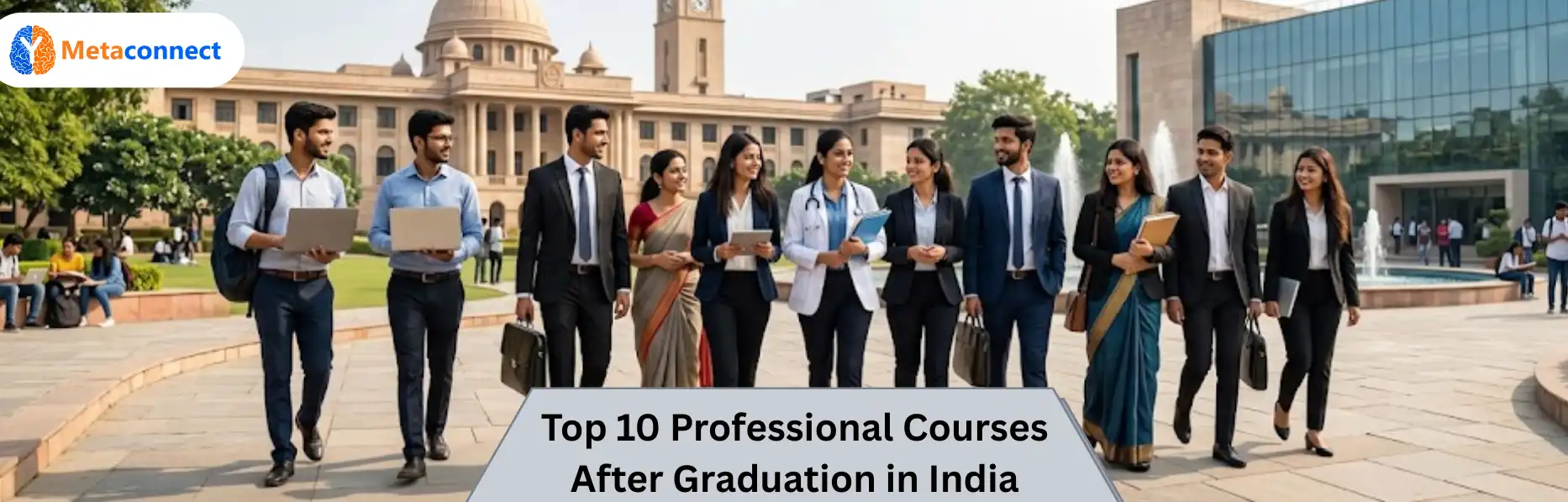
Top 10 Professional Courses After Graduation in India

Graduation is complete. The degree is finally in your hands. It feels like a proud moment. But right after that excitement fades, another question starts to grow in your mind. What should you do next? Many graduates face this same situation. A basic degree often feels like only the first step. Today’s job market expects more than academic knowledge. Employers look for practical skills and the ability to handle real work situations. That is why many students start exploring professional courses in India after graduation. Many graduates today search for the best professional courses that can help them move into stable and rewarding careers. India offers many options across finance, technology, management, and creative industries. Choosing the right course is important because it shapes your future career path. Let us explore the top professional courses in India that graduates often choose to build strong and secure careers. Best Career Courses Graduates Can Choose in India Graduation builds your academic foundation. The next step should focus on skill development. Employers want candidates who can apply knowledge in real work environments. This list of professional courses highlights options that offer strong career opportunities and long-term growth. ➢ Data Science and Analytics Data is now one of the most valuable resources for businesses. Companies collect large amounts of information about customers, products, and market trends. Students learn how to analyze large datasets and identify useful patterns. Training includes tools such as Python, SQL, Excel, and Power BI. The course builds analytical thinking and problem-solving ability. Data professionals help companies make informed decisions. Career roles include data analyst, business intelligence specialist, and data scientist. Because technology companies rely heavily on data, many professional courses in India now focus on analytics and data-driven skills. ➢ PGDM in Marketing Management Marketing helps businesses connect with customers and grow their brand presence. Every organization needs professionals who understand market behavior. Students study consumer psychology and marketing strategy. The course covers brand management and advertising techniques. Training includes case studies and industry projects. Students learn both traditional and digital marketing methods. Career roles include marketing manager, brand strategist, and product manager. Marketing remains one of the top 10 courses in demand in India because businesses constantly compete for customer attention. ➢ Cybersecurity Digital systems run almost every business today. As a result, protecting company data has become extremely important. Students learn how to protect networks and digital systems. The course includes ethical hacking and risk management topics. Professionals learn how to detect and prevent cyberattacks. Cybersecurity experts help organizations secure sensitive information. Career roles include cybersecurity analyst, security consultant, and ethical hacker. With increasing digital activity, cybersecurity has become one of the most valuable professional courses in India for technology-focused careers. ➢ PGDM in Banking and Financial Services The banking and financial sector continues to grow in India. This growth creates a strong demand for skilled finance professionals. Students learn about banking systems and financial markets. The course covers investment planning and corporate finance. Training includes financial analysis and risk management. Students gain knowledge about financial institutions and services. Career roles include financial analyst, investment advisor, and banking professional. Finance programs remain among the professional courses in India that offer stable career opportunities. ➢ Digital Marketing Businesses now rely heavily on online platforms to reach customers. Digital marketing has become an essential skill for modern businesses. Students learn search engine optimization and content marketing. Training includes social media strategy and online advertising. The course teaches how to measure marketing performance using analytics. Practical assignments help students manage real campaigns. Career roles include SEO specialist, digital marketing manager, and content strategist. Many graduates now consider digital marketing among the most effective job oriented courses after degree. ➢ PGDM in International Business Global trade has created new opportunities for professionals who understand international markets. Students learn export and import management practices. The course covers global finance and supply chain management. Training includes international marketing strategies. Students understand how businesses operate across different countries. Career roles include export manager, trade analyst, and international business consultant. International business programs are another example of professional courses in India that connect graduates with global career opportunities. ➢ Artificial Intelligence and Machine Learning Artificial intelligence is transforming industries through automation and advanced data analysis. Students learn machine learning models and algorithms. The course includes neural networks and predictive analytics. Programming skills are developed through practical projects. AI systems help companies automate tasks and analyze data. Career roles include AI engineer, machine learning specialist, and automation developer. AI has quickly become one of the most promising professional courses in India for technology-driven careers. ➢ PGDM in Human Resource Management People are the foundation of every successful organization. Managing employees effectively is essential for business growth. Students learn recruitment and talent management strategies. The course covers employee training and workplace policies. HR professionals help companies build productive teams. Training includes performance evaluation systems. Career roles include HR manager, recruitment specialist, and training coordinator. Human resource management continues to be one of the most reliable professional courses in India for graduates interested in people management. ➢ Chartered Financial Analyst The Chartered Financial Analyst program is highly respected in the global finance industry. Students study investment management and financial reporting. The course focuses on portfolio management and equity research. Multiple exam levels test deep financial knowledge. Professionals learn to analyze financial markets and investments. Career roles include investment analyst, portfolio manager, and financial consultant. For finance-focused graduates, CFA remains one of the most prestigious professional courses in India. ➢ UI and UX Design Certification Technology products succeed when users find them simple and comfortable to use. That is why UX and UI design have become important career skills. UX design focuses on user experience and interaction. UI design focuses on visual layout and interface elements. Students learn wireframing, prototyping, and design thinking. Tools such as Figma and Adobe XD are commonly used. Career roles include UX researcher, UI designer, and product designer. Design programs are gaining popularity among graduates searching for creative professional courses in India. How to Choose the Right Professional Course? Choosing the right course requires careful thinking. Each field offers different career opportunities. Start by identifying your strengths. If you enjoy numbers and analysis, finance or data-related careers may suit you. If creativity interests you, marketing or design might be better options. It is also useful to study industry demand. The technology and finance sectors currently offer strong career growth. Research the institute before enrolling in any program. A reputed institute can provide better training and placement opportunities. When your interests match your career path, learning becomes easier and professional growth becomes more natural. Note: If you are exploring more career paths, these guides may also help you: Professional Courses After 12th Other Than Engineering & Medicine Top 10 Non-Coding IT Jobs for Engineering Graduates These resources can help you discover additional career options and expand your understanding of modern job opportunities. Final Thoughts Graduation marks the beginning of your professional journey. The choices you make at this stage can influence your long-term career path. Professional courses help bridge the gap between academic learning and real industry work. They build practical skills and provide clearer career direction. Fields such as data science, finance, marketing, and artificial intelligence continue to create new opportunities for skilled professionals. Take time to explore different options before making a decision. The right course can give your career the direction and confidence needed for long-term success.

Top 10 Non-Coding IT Jobs for Engineering Graduates

Did you complete engineering but feel stressed every time you open your code editor? Do you understand concepts but struggle to enjoy programming? Are you worried that without coding, your tech career will stop before it even begins? Take a pause. You are not behind. You are not less capable. And you are definitely not alone. Many engineering graduates today actively search for non coding IT jobs because they want to stay in tech without writing code daily. The IT industry runs on many roles beyond programming. Software needs planning, testing, design, documentation, analysis, security, and client communication. These areas are just as important as writing code. If you are exploring IT jobs without coding, this guide will help you understand realistic career paths with strong salaries and long-term growth. Non-Coding IT Career Paths with Strong Growth and Salary Tech companies do not survive on developers alone. They need professionals who can manage projects, understand business needs, ensure quality, protect systems, and communicate clearly. These roles fall under non coding jobs in IT sector, and they continue to grow as companies scale their products and services. Below are ten in-demand roles that many consider among the best non coding IT jobs for engineering graduates. ➢ IT Project Manager IT project managers handle the overall direction of tech projects. They plan timelines, assign responsibilities, track milestones, and make sure deadlines are met. Instead of writing code, they manage people and processes. This role suits engineers who like structure and coordination more than development work. You work closely with developers, designers, testers, and business teams. Clear communication is critical. You must understand technical workflows, but you do not build software yourself. Average Salary (India): ₹8–18 LPA Senior professionals can earn ₹25–35 LPA. Skills Required: Leadership, Planning and scheduling, Communication, Budget management, Basic technical knowledge Project management certifications like PMP can boost growth. This remains one of the most stable non coding IT jobs in the industry. ➢ Business Analyst Business analysts focus on identifying business problems and translating them into technical requirements. They gather inputs from clients and stakeholders, document needs, and work with development teams to deliver solutions. This role requires strong analytical thinking and clarity in communication. You do not code, but you must understand how systems work. Engineers who enjoy logic and structured thinking often succeed here. Average Salary (India): ₹6–15 LPA With experience, salaries can cross ₹20–25 LPA. Skills Required: Requirement gathering, Data interpretation, Documentation skills, Communication, Process analysis Business analyst roles are part of the growing list of without coding IT jobs that focus more on problem-solving than programming. ➢ Quality Assurance (QA) Tester QA testers ensure that software works correctly before it reaches users. They test features, identify errors, and report issues clearly. The goal is to prevent bugs from affecting customers. Manual testing roles require almost no coding. Automation testing may need basic scripting knowledge, but heavy programming is not required. This role fits engineers who notice small details and think logically. Average Salary (India): ₹4–10 LPA Senior QA leads earn ₹15–20 LPA. Skills Required: Attention to detail, Logical testing approach, Reporting ability, Tool knowledge, Patience Testing remains one of the dependable non coding IT jobs for fresh graduates entering the tech world. ➢ UX/UI Designer UX/UI Designers shape how software looks and feels. They design layouts, buttons, user flows, and visual elements. The focus is on user experience, not backend systems. Engineers with creative thinking can shift into this field by learning design tools. A strong portfolio often matters more than a technical background. Average Salary (India): ₹5–14 LPA Experienced designers can earn ₹20–30 LPA. Skills Required: Creativity, User research, Wireframing, Tools like Figma or Adobe XD, Visual storytelling Design roles are counted among non coding IT jobs that blend creativity with technical awareness. ➢ Technical Writer Technical writers simplify complex products. They create manuals, help guides, FAQs, and user documentation. Instead of building the product, they explain how it works. Engineering graduates often have the technical knowledge needed. Strong writing and clarity are more important than programming. Average Salary (India): ₹4–12 LPA Senior documentation specialists earn ₹18–22 LPA. Skills Required: Clear writing, Research skills, Technical understanding, Attention to detail, Communication Technical writing is part of the broader category of non technical jobs in IT industry that still require technical understanding. ➢ Product Manager Product managers define what a software product should do. They study user needs, analyze market trends, and decide which features to build. You coordinate between tech, design, and business teams. Coding is not required, but understanding system logic helps. This is a strategic role with strong growth potential. Average Salary (India): ₹10–25 LPA Senior product managers can earn ₹35–50 LPA. Skills Required: Decision-making, Market research, Communication, Strategic planning, Technical awareness Product management continues to rank among premium non coding IT jobs due to its leadership potential. ➢ IT Support Specialist IT support specialists solve day-to-day technical issues. They troubleshoot software, hardware, and network problems for users. This role is practical and people-focused. You guide users step by step to fix problems. Coding is not part of the job, but system knowledge is important. Average Salary (India): ₹3–8 LPA Senior system administrators earn ₹12–18 LPA. Skills Required: Troubleshooting, Patience, Communication, System configuration, Problem analysis IT support is often one of the first non coding jobs engineers step into. ➢ Data Analyst Data Analysts work with numbers to find trends and insights. They prepare reports and dashboards to assist companies in making informed decisions. A basic knowledge of Excel, SQL, or visualization tools is sufficient for many roles. Heavy programming is not required. Engineers with math skills often transition smoothly here. Average Salary (India): ₹6–16 LPA Experienced data analysts can earn ₹25–30 LPA. Skills Required: Logical thinking, Excel or Power BI, Data visualization, Interpretation skills, Presentation skills Data roles are also seen as strong no code jobs in growing analytics teams. ➢ Cybersecurity Analyst Cybersecurity Analysts protect systems from digital threats. They monitor networks, review alerts, and strengthen security systems. This role focuses more on risk analysis and security tools than coding. With cyber threats increasing, demand for security professionals continues to grow. Average Salary (India): ₹7–18 LPA Senior security experts earn ₹30–40 LPA. Skills Required: Risk assessment, Network basics, Security tools knowledge, Monitoring systems, and Investigation skills Security roles are among the high-growth non coding IT jobs in today’s tech landscape. ➢ Sales Engineer / Technical Consultant Sales engineers explain technical products to clients. They support sales teams during product demos and answer technical questions. This role blends communication with technical understanding. You help customers see how a product solves their problems. Coding is not required. Average Salary (India): ₹6–20 LPA (plus incentives) High performers can earn ₹30 LPA+. Skills Required: Communication, Product knowledge, Presentation skills, Confidence, and Client handling This role suits engineers who enjoy interacting with people and is ideal among non technical jobs for freshers looking to enter tech without development work. Final Thoughts The tech industry is larger than programming alone. Companies depend on planners, testers, analysts, designers, security experts, and consultants. Many of these fall under expanding non coding IT jobs categories that continue to grow every year. Your engineering degree already gives you logic and technical awareness. The key is choosing a direction that matches your strengths and interests.

Professional Courses After 12th Other Than Engineering & Medicine

Finished 12th Science PCM and feeling the pressure to choose engineering? Many students face this moment. PCM is often linked directly with JEE and engineering colleges. But what if that path does not excite you? That does not mean your future is limited. PCM builds strong logic, discipline, and problem-solving skills. These strengths apply to many industries. Once you explore properly, you realize there are powerful career options for PCM students beyond engineering. Let us break down the most promising and high-growth paths available today. High-Paying Non-Engineering Courses for Science Students Science students are trained to think clearly and work with numbers. That advantage does not disappear if you skip engineering. It simply shifts into a different direction. If you are exploring serious career options for science students, the options below offer stability, income growth, and long-term scope. ➢ Physics Physics is ideal for students who enjoy understanding how things work at a deep level. It is not limited to textbooks. It connects to research, technology, and space science. You can pursue a B.Sc. or M.Sc. in Physics with specializations such as astrophysics or nuclear physics. Graduates work in research labs, universities, and aerospace organizations. Among respected career options for PCM students, physics remains strong for students who enjoy theory and scientific exploration. ➢ Statistics Statistics focuses on data analysis and interpretation. If numbers and patterns make sense to you, this field has strong potential. Students pursue a B.Sc. or M.Sc. in statistics. Many move into data science or analytics roles later. Businesses depend on data for decisions, which keeps demand high. It stands out as one of the practical non engineering courses for students who prefer analytical work over machine-based engineering roles. ➢ Architecture Architecture blends creativity with science. It involves designing buildings, planning spaces, and shaping cities. The B.Arch program usually takes five years and requires clearing NATA. Architects design homes, offices, and public projects. Experience increases earning potential significantly. Students looking for PCM career options without JEE often choose architecture because it values design thinking rather than traditional engineering entrance exams. ➢ Chemistry Chemistry studies matter and its reactions. It offers careers in pharmaceuticals, research labs, and manufacturing industries. Students can pursue a B.Sc. or M.Sc. in chemistry. Special areas include analytical chemistry and material science. Many companies hire chemistry graduates for research and quality control. It continues to remain one of the stable career options for PCM students who prefer laboratory-based careers. ➢ Merchant Navy Merchant Navy careers involve working on cargo ships that move goods across countries. It is disciplined, structured, and financially rewarding. Courses such as B.Sc. Nautical Science prepares students for navigation roles. Officers manage ship operations and safety. This remains one of the well-paying non medical stream jobs available after PCM. ➢ Forensic Science Forensic science connects science with criminal investigation. It focuses on crime scene analysis, DNA testing, and evidence evaluation. Students pursue a B.Sc. in Forensic Science. Graduates work in forensic labs and investigation departments. Precision and attention to detail are essential here. For students comparing structured career options for PCM students, forensic science offers real-world impact. ➢ Industrial Design Industrial design focuses on building useful products. Every gadget and appliance around you was designed by professionals in this field. Students can pursue B.Des programs in product or industrial design. Graduates work in tech companies and manufacturing industries. This is one of the creative career options for PCM students that combines technical knowledge with innovation. ➢ Criminology Criminology studies crime, law enforcement systems, and behavioral patterns. It explores prevention and research in criminal justice. Students can pursue degrees in criminology or forensic criminology. Career paths include policy research and law enforcement support roles. This path suits students interested in psychology and social systems. ➢ Nautical Science Nautical science prepares students for maritime navigation careers. It focuses on ship handling and marine systems. Courses such as a diploma or B.Sc. in nautical science lead to deck officer roles. Maritime trade continues to expand globally. It remains another strong entry among professional career options for PCM students. ➢ Aviation Aviation offers both flying and management roles. Students can pursue commercial pilot training or airport management programs. Pilot training requires physics and mathematics. Aviation management focuses on airline operations and airport coordination. Among premium career options for PCM students, aviation stands out for income growth and global exposure. ➢ Defense Services PCM students can join the defense forces through exams like the NDA. This leads to roles in the Army, Navy, or Air Force. Defense careers offer discipline, structure, and job security. Physical fitness and mental strength are important. For students seeking responsibility and service, this remains one of the respected career options for PCM students. High-Paying Corporate Career Paths After PCM Apart from technical fields, PCM students can also move into business and finance. Business analytics, investment banking, and management consulting offer strong earning potential. Students often pursue a BBA followed by an MBA. Technical writing is another growing option that blends technical knowledge with communication skills. These options show that your science background can support structured business careers, too. Medical Field Opportunities Without MBBS Even if you do not want an MBBS, healthcare still offers strong options. The Bachelor of Pharmacy focuses on medicines and pharmaceutical systems. Graduates work in pharma companies or as licensed pharmacists. Biotechnology blends biology with research and lab technology. It offers research roles in the medical and agricultural industries. These healthcare paths allow you to build a stable career without entering clinical medicine. Final Thoughts PCM gives you a strong academic base. Logic, discipline, and analytical thinking stay valuable across industries. From physics and statistics to aviation, design, maritime careers, and finance, the opportunities are wide. The key is clarity. Research carefully. Understand course requirements, entrance exams, and long-term growth before deciding. There are multiple career options for PCM students beyond engineering. The right choice depends on your interests and strengths. So, choose wisely before making any decision.

Top Defense Exams in India: NDA, CDS, AFCAT & More

Do you see yourself in uniform, leading from the front and serving the nation with pride? A defense career is not just about a salary or status. It is about responsibility, courage, discipline, and commitment to something bigger than yourself. Every year, thousands of candidates apply for defense exams in India, hoping to secure a place in the armed forces. Only those who prepare with clarity, focus, and physical strength make it through the selection stages. The Indian defense system offers multiple entry routes after the 12th and after graduation. Understanding each option early helps you choose the right path and begin preparation with confidence and direction. This blog gives insight into the exams to join the Indian Army. Let’s dive deeper into it. Defense Exams After 12th in India to Consider India conducts multiple defense entry exams for the Army, Navy, Air Force, Coast Guard, and paramilitary forces. These defense exams in India test academic knowledge, leadership ability, and physical endurance through many stages. Let us understand the major army and defense exams in a more detailed way. ➢ UPSC NDA Exam The National Defense Academy exam is the most popular defense entry after Class 12. It is ideal for students who want to begin their military journey early and build a strong defense line job foundation. Key highlights: Conducted by UPSC twice every year for the Army, Navy, and Air Force wings. Open to 12th pass or appearing candidates meeting the required subject eligibility criteria. The written exam includes mathematics and general ability test sections. Selection continues through the SSB interview and detailed medical examination. Students exploring defense exams after 12th often start their preparation journey with NDA as their first serious goal. ➢ UPSC CDS Exam The Combined Defence Services exam is meant for graduates who want to become commissioned officers. It is one of the most respected defense exams in India after college. Key highlights: Conducted by UPSC twice annually for different military academies. Open to graduates from recognized universities with the required qualifications. The written test includes English, general knowledge, and mathematics sections. The final selection includes an SSB interview and strict medical fitness tests. For many graduates, CDS becomes the first step toward a respected defense services job in the Armed Forces. ➢ AFCAT Exam The Air Force Common Admission Test recruits officers for flying and ground duties. It is suitable for graduates who dream of serving in the Indian Air Force. Key highlights: Conducted by the Indian Air Force for multiple officer branches. Open to graduates meeting the required age and educational eligibility. The written exam tests reasoning, English, awareness, and numerical ability. Shortlisted candidates attend the AFSB interview and medical evaluation stages. AFCAT remains one of the top defense exams in India for candidates aiming for Air Force careers. ➢ INET Exam The Indian Navy Entrance Test is conducted for officer recruitment in the naval branches. It suits graduates interested in maritime and technical defense roles. Key highlights: Conducted by the Indian Navy for executive and technical branches. Open to graduates with relevant degree qualifications and eligibility. The selection includes a written test followed by the SSB interview process. The final appointment requires medical clearance and merit ranking. INET is counted among the important defense exams in India for those planning naval service careers. ➢ CAPF Assistant Commandant Exam The CAPF recruits officers for the central armed police forces across India. It is ideal for graduates interested in internal security roles. Key highlights: Conducted by UPSC annually for Assistant Commandant positions. Open to graduates within the prescribed age and physical standards. The written exam covers general ability and analytical aptitude sections. Physical efficiency tests and interviews follow the written qualifications. Many aspirants preparing for defense exams after graduation consider CAPF a strong leadership entry route. ➢ Indian Coast Guard Exam The Indian Coast Guard exam offers officer and sailor entries for maritime defense. It suits candidates interested in coastal protection and rescue operations. Key highlights: Conducted by the Indian Coast Guard for officer and sailor posts. Open to 12th pass and graduates, depending on the entry type. Selection includes a written examination and physical fitness tests. Medical evaluation required before final appointment confirmation. This is also listed among the major defense exams in India for maritime security aspirants. ➢ Territorial Army Exam The Territorial Army exam allows employed citizens to serve part-time in defense roles. It suits professionals who wish to contribute while continuing civilian careers. Key highlights: Open to employed graduates within defined age and fitness limits. Written exam conducted for eligible civilian applicants. An interview board assesses leadership and service motivation. Medical standards must be cleared before final enrollment. This unique entry is often searched under exams to join Indian army by working professionals. ➢ Technical Entry Scheme The Technical Entry Scheme exam allows direct officer entry for science students. It is ideal for candidates with strong backgrounds in physics, chemistry, and mathematics. Key highlights: Conducted by the Indian Army for technical officer recruitment. Open to 12th pass students with the required PCM percentage. Shortlisting based on academic merit before the SSB interview. Medical fitness is required before final training commencement. Students looking for an army exam focused on technical roles often explore this route carefully. ➢ NCC Special Entry NCC Special Entry provides a direct SSB opportunity to eligible cadets. It rewards candidates who have actively participated in NCC programs. Key highlights: Open to NCC C certificate holders with the required graduation qualification. No written exam is required before the SSB interview stage. Selection based on leadership performance and interview assessment. Medical standards must be cleared before commissioning. Many candidates searching for details about the Indian Army exam structure also consider this direct entry option. Note: If you are also exploring career options beyond defense services and considering civil or administrative roles, you can check the Top Government Exams to Consider After Graduation. It explains different government job paths, exam patterns, and eligibility in a clear way. Conclusion Defense exams in India offer multiple entry paths based on education and career stage. The NDA is ideal after Class 12, while the CDS and AFCAT provide strong entry options for officers after graduation from Class 12. INET supports Navy aspirants, and CAPF offers leadership roles in internal security. Coast Guard, Territorial Army, Technical Entry Scheme, and NCC Special Entry further expand the opportunities available to candidates. If you are reviewing the NDA job list or comparing any other defense exam, always check eligibility criteria on official websites before applying. Preparing for defense exams in India requires discipline, physical fitness, and mental strength. Choosing the right path today can shape your future in the armed forces with pride and purpose.

Best Competitive Exams After 12th Science/Commerce/Arts

Finished Class 12 and unsure about what to do next? Feeling confused because everyone around you has a different suggestion? That feeling is completely normal. After science, commerce, or arts, students hear many career options from family, teachers, and friends. Engineering, medical, law, management, defense, design, and more all sound urgent and important. Many students begin searching for competitive exams after 12th, but still feel unclear about the right direction. The truth is simple. Your stream does not control your success. Your interest, strengths, and clarity matter much more. But before choosing one, you must understand what each path truly offers. Students often look for a list of entrance exams after 12th to compare options and understand eligibility properly. Let us explore the right options for each stream in a more detailed way. Career Paths and Entrance Options for Science Students Science students have strong academic foundations that open doors to technical, medical, defense, and design careers. The right direction depends on which subject you genuinely enjoy. Many students researching exams after 12th science start by comparing the engineering and medical routes. Let’s look at these competitive exams. ➢ JEE Main and JEE Advanced If mathematics and problem-solving excite you, engineering may be your path. These exams test analytical skills and subject clarity. For PCM students, these remain among the most popular competitive exams after 12th. Key highlights: JEE Main allows admission into NITs, IIITs, and central institutes. JEE Advanced is required for IIT admissions. The syllabus includes physics, chemistry, and mathematics subjects. Suitable for students strong in logical reasoning. ➢ NEET If biology feels more natural than mathematics, medical studies may suit you better. NEET is the gateway to healthcare careers. It is one of the most important exams for PCB students across India. Key highlights: Conducted at the national level for medical admissions. It covers physics, chemistry, and biology subjects. Required for government and private medical colleges. Suitable for students interested in patient care. ➢ NDA Students interested in discipline, service, and leadership often explore defense careers. NDA provides a structured entry into the armed forces. This option is also counted among the strong competitive exams after 12th for defense aspirants. Key highlights: Conducted by UPSC for the defense entry. It includes a written exam and an interview stage. Physical fitness standards must be cleared. Leads to Army, Navy, or Air Force roles. ➢ NATA If creativity attracts you more than technical formulas, architecture may be worth exploring. NATA tests imagination and observation skills. Students comparing different types of entrance exams often include NATA while planning creative careers. Key highlights: Conducted by the Council of Architecture authority. Required for admission into B.Arch courses. Tests drawing and visual observation ability. Suitable for students interested in design fields. Professional Courses and Entrance Routes for Commerce Students Commerce students have structured career options in finance, corporate law, and management. These paths offer stability and growth. Many of these fall under the major competitive exams categories in India. ➢ CA Foundation If numbers and financial records interest you, chartered accountancy can be powerful. CA Foundation is the first stage. It remains one of the most serious exams for commerce students. Key highlights: Conducted by the Institute of Chartered Accountants. Covers accounting, law, economics, and mathematics subjects. Leads to CA certification after further levels. Suitable for students comfortable with finance. ➢ CS Executive Entrance Test If corporate law attracts you, a company secretary can be a smart choice. This exam builds strong governance knowledge. Students exploring exams to give after 12th often shortlist this when interested in corporate careers. Key highlights: Conducted by the Institute of Company Secretaries. Covers corporate law and compliance subjects. Leads to company advisory roles. Suitable for students interested in legal systems. ➢ CLAT Law is not limited to arts students. Commerce students also choose this path through CLAT. Law entrances involve intense general competition, especially in top universities. These options are often included in the best exams after 12th for commerce aspirants. Key highlights: Tests English comprehension and reasoning ability. Includes legal aptitude and general knowledge. Leads to integrated law degree programs. Suitable for confident communicators. ➢ IPMAT and BBA Entrance Exams Students interested in early management education consider IPMAT and BBA entrances. These options are often included in a detailed list of entrance exams after 12th for commerce aspirants. Key highlights: Conducted by institutes like IIM Indore. Tests aptitude, reasoning, and language ability. Leads to integrated management programs. Suitable for future business leaders. Creative and Professional Opportunities for Arts Students Arts students have wide career choices in law, design, media, and hospitality. These fields value expression and awareness. ➢ NIFT Entrance Exam Creative students often explore design fields through NIFT. This is another respected entrance exam after 12th in the creative industries. Key highlights: Conducted by the National Institute of Fashion Technology. Tests creative thinking and visual skills. Leads to careers in fashion design. Suitable for artistic personalities. ➢ Journalism and Mass Communication Exams If storytelling excites you, journalism entrances can be explored. These programs are also part of broader competitive exams after the 12th grade. Key highlights: Tests writing clarity and communication ability. Leads to media and reporting careers. Suitable for confident speakers. Offers roles in digital platforms. ➢ Hotel Management Entrance Exams Students who enjoy interacting with people may prefer hospitality careers. This remains another strong choice within competitive exams after 12th options. Key highlights: Conducted for admission into hospitality institutes. Focus on communication and service skills. Leads to tourism and event management roles. Suitable for people-friendly personalities. Note: If you are planning your long-term career path in government jobs, you can also explore the Top Government Exams to Consider After Graduation to understand future government job opportunities, exam patterns, and eligibility details. Conclusion After Class 12, confusion is natural. But clarity comes from understanding your interests and strengths. Engineering, medical, finance, law, management, design, and media all remain valuable directions. Instead of following pressure, study each path carefully. Compare the syllabus, career scope, and your personal strengths. Your journey is just beginning. With focus and preparation, you can turn the right choice into a successful future.

Top Government Exams to Consider After Graduation

Your graduation is complete. Now you are standing at a turning point. The next decision you make can shape your career for years. Many graduates in India consider government exams after graduation because they offer job security, stable income, structured growth, and social respect. But the real challenge is not preparing. The real challenge is choosing the right exam. Each government exam demands a different skill set, preparation style, and career mindset. If you choose carefully, you save years of effort. If you choose randomly, you may feel stuck. If you are searching for the best exams after graduation, understanding your strengths becomes even more important before starting preparation. This blog gives insight into the top government exams in India. Let’s understand this in more detail. Top 10 Government Exam You Should Explore After Graduation After graduation, several competitive exams become available to you. The key is selecting one that matches your strengths and long-term goals. Many students actively search for government jobs after graduation, but do not always understand the exam pattern. Below are the best options you can consider. Let’s check out these in detail. ➢ UPSC Civil Services Examination This is one of the most prestigious and competitive exams in India. It recruits officers for high-level administrative roles across the country. It is often listed among the top 10 government exam options for serious aspirants. This exam suits candidates who want leadership responsibility and long-term administrative authority. Many consider it among the best government jobs after graduation due to the power and respect it offers. Key highlights: It consists of three stages, including prelims, mains, and a personality interview. The syllabus covers history, politics, economy, geography, science, and current affairs. Requires strong writing skills and deep conceptual understanding. Preparation often demands one to three disciplined years. If you are serious about cracking this exam, proper guidance and the right environment can make preparation more organized. You can explore the best UPSC exam preparation centers in Jaipur for more guidance. ➢ State Public Service Commission Exams Each state conducts its own PSC exam to recruit officers for administrative positions. These roles focus on governance at the state level. It is ideal for graduates who want to serve their own state and community directly. These are also popular government exams after graduation for candidates preferring local postings. Key highlights: It is conducted separately by individual state governments. Includes state history, local policies, and regional development topics. Recruits posts such as SDM, DSP, and administrative officers. Competition is strong, but the syllabus is slightly narrower than UPSC. ➢ SSC Combined Graduate Level Examination SSC CGL recruits graduates for central government office positions. It is popular among candidates seeking structured desk jobs. It is best suited for candidates comfortable with aptitude-based competitive exams. Many students preparing for competitive exams for government jobs prefer SSC due to its clear pattern. Key highlights: Consists of multiple computer-based stages, including tiered examinations. Focuses on quantitative aptitude, reasoning, English, and awareness. Posts include Income Tax Inspector and Assistant Section Officer. Offers fixed working hours with regular promotional growth. ➢ Banking Exams (IBPS and SBI) Banking exams recruit officers and clerks for public sector banks across India. These roles combine financial responsibility and customer service. It is suitable for graduates confident with numbers and structured office environments. Banking is often seen as one of the strong government exams after graduation pathways. Key highlights: Includes prelims, mains, and interview assessment rounds. Tests reasoning ability, quantitative aptitude, and English comprehension. Promotions based on performance and internal evaluations. Transfers between branches may occur during career progression. ➢ Railway Recruitment Board Exams Railway exams provide long-term employment within one of India’s largest public sectors. Both technical and administrative roles are available. It is a practical choice for those prioritizing job security and government benefits. Many candidates look for govt job exams after graduation and consider the railways first. Key highlights: Conducted by the Railway Recruitment Board nationwide. Includes NTPC and graduate-level administrative categories. The exam tests math, reasoning, and general awareness knowledge. Offers housing, travel concessions, and medical benefits. ➢ Combined Defence Services Examination This exam recruits officers for the Army, Navy, and Air Force after graduation. It is suited for candidates seeking uniformed leadership roles. Best for graduates prepared for a disciplined and demanding service life. Defense remains one of the most respected top exams for government jobs in India. Key highlights: It is conducted by UPSC twice each year. Includes a written exam followed by an SSB interview. Physical fitness and discipline are mandatory requirements. Offers early leadership exposure and a structured career path. ➢ Teaching Exams (UGC NET, CTET, TET) Teaching exams open opportunities in schools and colleges for graduates. They provide structured academic careers with defined schedules. Ideal for graduates who enjoy guiding students and sharing knowledge. Many view teaching as a reliable government exams after graduation option. Key highlights: UGC NET is required for Assistant Professor eligibility. CTET and TET are required for school-level government teaching. Focus on subject expertise and teaching-aptitude evaluation. Offers stable hours aligned with the academic calendar. ➢ LIC AAO and ADO Exams LIC exams recruit officers in insurance administration and development roles. These jobs combine office responsibilities and public interaction. Good for candidates comfortable with communication and target-based systems. Insurance roles are also considered among the practical after graduation government exam choices. Key highlights: Conducted by Life Insurance Corporation of India. Includes reasoning, mathematics, English, and insurance subjects. Offers a stable salary with performance-linked promotions. Involves supervision and customer relationship management. ➢ RBI Grade B Examination RBI Grade B recruits officers within India’s central banking authority. It is considered one of the most competitive financial exams. Suitable for graduates interested in financial systems and policy roles. It is often ranked among the best exams after graduation for finance aspirants. Key highlights: It includes prelims, mains, and the final interview stage. Covers economics, finance, management, and current affairs. Offers a high salary and a balanced working environment. Limited vacancies increase competition intensity significantly. ➢ CAPF Assistant Commandant Examination CAPF recruits officers for central armed police forces across India. It suits physically fit graduates seeking field leadership roles. Best for candidates motivated by national security and disciplined service. It is one of the active government exams after graduation paths for uniformed careers. Key highlights: Conducted annually by the Union Public Service Commission. Includes written examination and physical standards testing. Leads forces such as BSF, CRPF, and CISF. Involves active field duty and command responsibility. Conclusion Graduation gives you an opportunity. Government exams provide direction and structure. The important step is matching your personality and strengths with the right exam. If you are searching for a graduation pass govt job, start by understanding your aptitude and long-term vision. Many aspirants look for single exam government jobs, but most require a multi-stage evaluation. If you enjoy deep study and writing, the civil services may suit you. If aptitude subjects are your strength, SSC or banking exams may be practical. If physical endurance and discipline define you, the defense or CAPF may be the right path. Preparing for government exams after graduation requires patience, clarity, and consistent effort. Once you decide, stay focused and avoid switching plans frequently. With careful planning, you can turn preparation into success and secure stable government jobs after graduation that offer long-term growth.

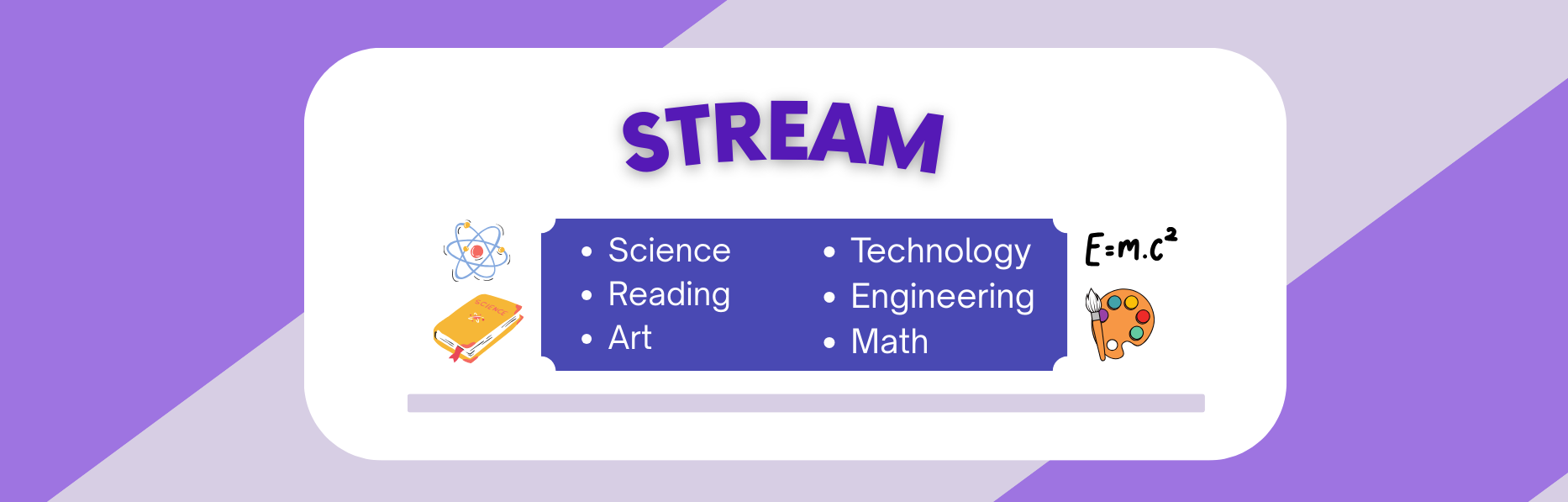
STREAM in Action: How Science, Technology, Reading, Engineering, Art, and Math Are Changing Modern Education?

What if children could learn science, math, art, and reading all at the same time while solving real-world problems? This is what STREAM education is all about. Children need more than just answers from a textbook. They need to think critically, ask questions, create things, and communicate their ideas with confidence. STREAM education helps children do all these things. It links different subjects rather than teaching them separately. Children don’t just memorize answers; they discover, experiment, design, and create. Schools are gradually adopting this approach because it readies children for the real world. In this blog, we will learn what STREAM is all about, why it is important, and how schools can implement it in a simple and effective manner. What Does STREAM Stand For and Why Is It Important? Let’s start with a basic question—what is STREAM education? STREAM is an acronym that represents Science, Technology, Reading, Engineering, Arts, and Mathematics. Every subject has its own importance. When all these subjects are combined, learning becomes a complete and balanced process. If you have explored STEM vs STEAM vs STREAM, you will notice that STREAM further strengthens learning by adding reading and writing to the framework. So, Why STREAM education is important? STREAM education is important because, in real life, subjects are not separated as they are in school. A simple assignment can involve math, research, design, and creativity simultaneously. The STREAM approach to education helps children become confident and independent thinkers. It keeps children curious about exploring new ideas. Core Components of STREAM Education STREAM education combines different subjects into a connected learning experience. Let’s look at these modern education methods in detail. ➢ Science in STREAM Science in STREAM education helps students see how things work in real life. It moves beyond textbooks and makes learning active and hands-on. Students perform simple experiments to understand ideas better. They grow plants, mix materials, and observe small changes carefully. By watching results and discussing them, they learn why something happens in early science education. If an experiment fails, they adjust and try again. Over time, they begin to understand patterns and cause and effect. Science and technology education become exciting because they discover answers through their own experiences. ➢ Technology in STREAM Technology is the application of science to develop tools and systems that can solve practical problems. Technology is not only about computers and mobile phones. Other examples of technology include simple tools such as wheels, levers, ramps, pulleys, scissors, and magnifying glasses. As children engage with these tools, they begin to develop an understanding of how things work. They learn about cause and effect as they experiment with the tools and observe the outcomes. Acquiring this knowledge at a young age provides a solid foundation for basic knowledge. It also strengthens digital literacy for students, helping them understand and use modern tools responsibly and effectively. ➢ Reading in STREAM The R in STREAM represents reading, and it is an extremely effective aspect of learning in the modern age. Reading is not confined to the English language class. It is an activity that helps students in all subjects and enables them to comprehend concepts more clearly. When children learn effective reading skills, they are able to follow directions, learn new concepts quickly, and think critically about what they are learning. In STREAM classes, reading is an activity that is seamlessly integrated with science, technology, and engineering. Children can read short science pieces, look at diagrams, or read simple technical descriptions to learn how something works. Reading increases vocabulary and helps children communicate more effectively. This continuous practice plays an important role in overall literacy development, supporting learning across every subject. ➢ Engineering in STREAM Engineering is all about creating solutions for real-world problems. It involves the use of math, science, and technology to design and develop useful products and systems that improve life. Children exhibit natural tendencies toward engineering skills. When they build with blocks, construct small forts, or create toy tracks, they are learning about how things fit together. They are experimenting, trying out their designs, and determining what works well. Engineering skills for students are teaching them how to solve problems by design. Children are developing valuable skills such as logical thinking, spatial reasoning, and creativity through these activities. These skills provide a great foundation for learning and can even prepare them for a career in engineering. ➢ Arts in STREAM Arts bring creativity in education and imagination to learning. This includes drawing, painting, music, drama, and design. Arts allow students to express their ideas in a creative way. In STREAM projects, art can be used to create posters, make models, or visually express ideas. Creativity improves problem-solving skills because students think differently. Arts integration in education also enhances emotional expression and confidence. Children learn to express their ideas without fear. Adding arts to learning maintains a balance in learning. This enhances both logic and imagination. ➢ Mathematics in STREAM Mathematics learning skills are the study of numbers, shapes, and measures. It is the way we understand how things are connected and how the world works. Math skills include things like recognizing patterns, counting, comparing sizes, measuring, and understanding space. Learning math skills in early childhood is a great way to give kids a strong foundation in math. Kids learn best through simple, everyday activities. Activities like building with blocks, playing kitchen games, or just playing outside help kids learn naturally. By encouraging these simple activities, you can help kids feel confident around numbers. Learning math and science becomes much simpler when kids have these skills. How to Implement STREAM Education in Schools? STREAM works best when learning feels connected, practical, and meaningful. Let’s look at the steps to implement STREAM education in schools. ➢ Combine Subjects Through Integrated Projects Plan projects that mix science, math, reading, engineering, technology, and art. Let students design, build, measure, and explain their ideas in one activity. Help them see how subjects connect in real life. ➢ Encourage Active and Hands-On Learning Replace long lectures with experiments, models, and creative tasks. Allow students to test ideas and learn by doing. Make lessons more practical and engaging. ➢ Follow a Clear Problem-Solving Process Teach students to ask questions before jumping to answers. Guide them to research, design, test, and improve their solutions. Show that mistakes are part of learning and growth. ➢ Support and Train Teachers Regularly Provide workshops on project-based learning methods. Help teachers plan lessons that connect multiple subjects. Encourage collaboration among teachers for better results. ➢ Create Spaces for Exploration and Creativity Set up maker corners with simple tools and materials. Include art supplies, building blocks, and basic tech kits. Give students space to explore ideas freely. ➢ Connect Learning to Real-World Problems Choose projects based on real issues like the environment or community needs. Make lessons meaningful and relevant to daily life. Help students see how their ideas can make a difference. Conclusion Modern education is moving towards learning that has a sense of connection and purpose. STREAM is an important part of this new education because it brings science, technology, reading, engineering, art, and math together in one integrated way. Rather than learning each subject in a separate way, students learn how ideas are connected and relate to each other. What this looks like in a real classroom is building, testing, reading to understand, and designing creative solutions. The benefits of STREAM education for students are that they question, collaborate, and refine what they have learned through practice. Learning becomes active and meaningful. Adding STREAM to modern education allows schools to develop students who are confident problem-solvers. It clearly shows how STREAM prepares students for the future by building adaptable thinkers who can apply knowledge in real-world situations.

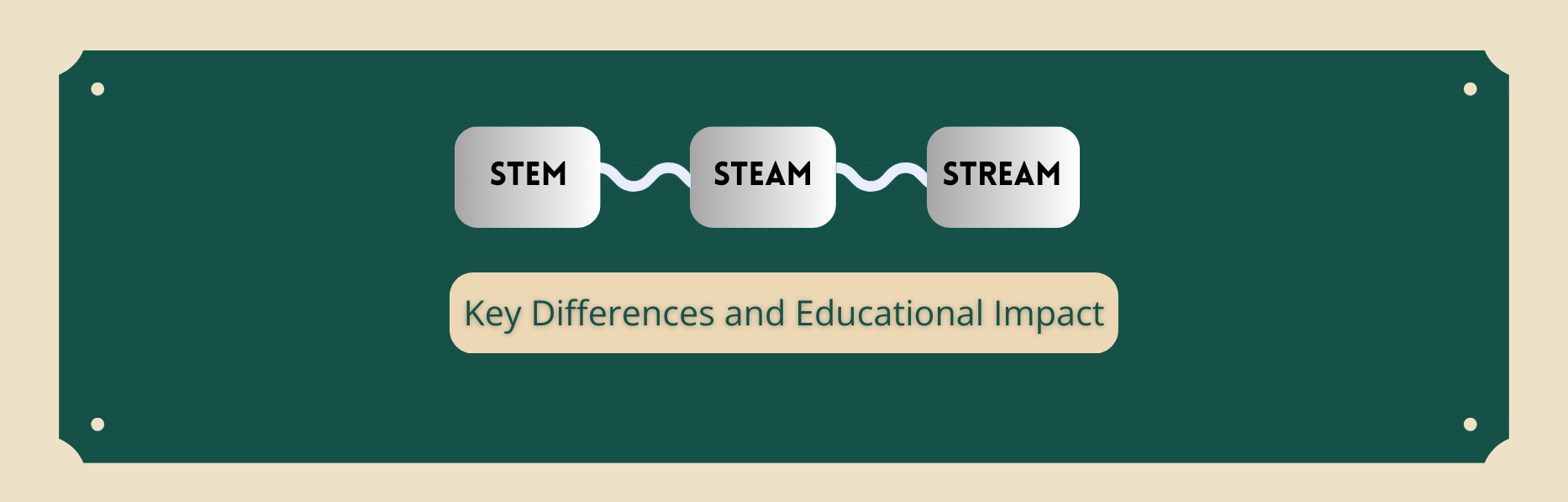
STEM, STEAM, and STREAM Explained: Key Differences and Educational Impact

A child makes a bridge with popsicle sticks. Then they test the weight limit of the bridge. Next, they write about what they did well and what they did not. Finally, they create a poster to describe their concept. This single activity encompasses science, math, writing, creativity, and design. And this is how the modern classroom is shifting. Perhaps you have heard of the terms STEM, STEAM, and now STREAM. The acronyms appear to be similar, but each has something new to offer. STEM was first introduced. Then, STEAM introduced art. Now, the STREAM approach to learning introduces reading and writing. But what is the actual difference? And why is it important for the modern classroom? This blog explains the key differences in STEM vs STEAM vs STREAM. Let’s check this out in detail. Breaking It Down: STEM vs STEAM vs STREAM All three modern learning approaches aim to connect subjects and make learning practical. The difference lies in which subjects are included and how broad the learning experience becomes. Let’s see the comparison in STEM vs STEAM vs STREAM in the table given below. Feature STEM STEAM STREAM Full Form Science, Technology, Engineering, Mathematics Science, Technology, Engineering, Arts, Mathematics Science, Technology, Reading, Engineering, Arts, Mathematics Focus Technical skills and problem-solving Technical skills plus creativity Technical skills, creativity, and literacy Role of Arts Not included Included for creativity Included for creative thinking and expression Role of Reading Not highlighted Not highlighted Strong focus on reading and comprehension Learning Style Logical and analytical Logical with creative expression Logical, creative, and language-based Communication Skills Limited focus Moderate focus Strong focus Ideal For Technical careers Creative and technical paths Balanced academic growth From the table above, you can see how each one builds on the last. STEM is primarily concerned with technical skills. STEM improves logic, math, and analytical problem-solving skills. STEAM then introduces art, which introduces creativity and design thinking. This makes learning more expressive, not just analytical. When we look at STEM vs STEAM vs STREAM, the most noticeable difference is in STREAM. STREAM education adds reading and writing, which improve understanding and communication. In the debate of STEM vs STEAM vs STREAM, STREAM usually takes center stage because it provides a more balanced learning experience that enhances technical skills as well as language skills. Why Does STREAM Matter in Science Education? Now that we know the difference between these approaches, the question is this: Why is STREAM so important to science education? Here is the short answer. Science is more than just conducting experiments or learning vocabulary words. Students must be able to read directions well, record observations accurately, discuss results, and sometimes even give presentations for their ideas. STREAM in education encompasses all of these activities. By incorporating reading, writing, and science, students comprehend ideas better. By incorporating art, they can create models. Math enables them to analyze. Technology enables them to test their ideas in a smarter way. That combination makes science learning deeper, clearer, and more useful in real life. Why STREAM Learning is the Future? But what is the future of education? If you observe, education is moving towards learning that feels relevant and applicable. This is exactly why STREAM education is in the limelight. Today, the world requires more than just knowledge. Children need to be able to think clearly, solve problems, express their ideas, and be able to adapt to changing situations. STREAM education develops all these skills simultaneously. It does not separate logic from thinking and creativity or reading and science. All these happen simultaneously. Children learn in this manner and are thus better equipped to handle actual challenges in life, not just in the classroom. This is why many people consider STREAM to be the future of modern education. Conclusion Education is no longer just about covering subjects one by one. It is about helping students see how ideas connect and how knowledge works in real life. That is where the difference between STEM vs STEAM vs STREAM becomes meaningful. Each step expanded learning, but STREAM brings together logic, creativity, and language in one complete approach. Many people still wonder, What is STREAM education? It is a way of teaching that blends subjects instead of keeping them separate. This approach encourages interdisciplinary learning, where students connect science, math, art, and reading naturally. When learning feels connected, it becomes deeper, clearer, and more practical.

Four Key Skills to Help Children Think Like Scientists

Why do kids ask so many questions? Why is the sky blue? How do birds fly? What makes ice melt? This curiosity is the foundation of science. A scientist is more than just a person in a lab coat. A scientist is someone who observes, asks good questions, tests answers, and shares findings. Science skills for kids can be developed at a young age. Kids are already thinking like scientists when they go out and discover their world. The trick is to guide that curiosity in the right way. When kids learn to measure, describe, defend with facts, and communicate their ideas, they develop excellent thinking habits. In this blog, we will discuss four critical skills that develop scientific thinking skills for children. Let’s dive deeper into it. Top 4 Scientific Thinking Skills for Children Scientific thinking skills for children are not learned by memorizing facts. It is developed with practice and proper instruction. Children require guidance that helps them observe, think, and communicate their ideas effectively. The four skills listed below help develop this foundation. Each skill helps with a different aspect of scientific thinking. Let’s explore these scientific skills for children in detail. ➢ Using Mathematics and Computational Thinking Scientific thinking often begins with patterns, numbers, and logical thinking skills for children. When children learn to organize information and solve problems gradually, their reasoning becomes stronger and clearer. These early habits contribute to building strong scientific thinking skills for children that support deeper learning over time. Let’s understand how this skill develops in everyday learning: Pattern recognition: When children notice repeating shapes, sounds, or sequences, they begin to understand structure. Recognizing patterns helps them predict what comes next and builds confidence in solving problems. Breaking problems into smaller steps: Teaching children to divide a big task into smaller parts makes challenges easier to manage. It also helps them think in an organized and systematic way. Hands-on math experiences: Using blocks, counters, or puzzles makes abstract ideas feel real. Children understand numbers better when they can see and touch what they are learning. Coding and structured games: Simple coding tools introduce sequencing and logical thinking. Children learn that clear instructions lead to clear results. To strengthen this area further, structured activities that build critical thinking can support logical reasoning and decision-making. ➢ Constructing Explanations and Designing Solutions Curiosity is powerful, but it becomes meaningful when children learn to explain what they observe. This skill helps them move beyond asking questions and begin forming clear, reasoned answers. It teaches them that ideas should be supported with thought. Now let’s look at how this ability grows step by step: Encouraging thoughtful questions: When children ask why something happens, they begin building connections. Such moments create opportunities for collaborative learning activities. Practicing careful observation: Writing down or drawing what they notice helps children focus on details. This strengthens their ability to explain what they see. Designing and testing ideas: Building simple models or trying small experiments shows them that solutions improve through testing and adjustment. Solving practical challenges: Giving children everyday problems to solve makes learning useful and engaging. Problem-solving in science connects classroom ideas to real situations. This skill can be expanded through structured real-world problem-solving activities that connect learning to meaningful tasks." ➢ Engaging in Argument from Evidence Scientific thinking also requires children to support their ideas with proof. Instead of relying on guesses, they learn to look for facts and observations. This habit builds stronger reasoning and thoughtful discussion that develops teamwork skills for kids. Here’s how children can practice this skill naturally: Asking for supporting evidence: When a child makes a claim, asking “How do you know?” encourages them to think more carefully about their reasoning. Evaluating information carefully: Teaching children to check whether information is based on facts or opinions helps them develop sound judgment. Considering different viewpoints: Exposure to multiple perspectives and collaborative learning activities helps children understand that problems may have more than one explanation. Practicing respectful discussions: Structured conversations teach them to defend ideas while listening openly to others and develop debate skills for children, allowing them to express ideas with confidence and clarity. This approach works especially well with discussion-based learning, where children refine their thinking through group interaction. ➢ Obtaining, Evaluating, and Communicating Information Understanding information is important, but being able to share it clearly completes the learning process. Communication turns ideas into shared knowledge. When children organize and present their thoughts well, their confidence grows. This also supports peer learning in science, where students learn by explaining ideas to each other. Let’s explore how this skill develops effectively: Expressing ideas in different formats: Writing reports, giving short presentations, or drawing explanations helps children communicate clearly and confidently.= Using visual supports: The use of visualization techniques such as charts, diagrams, and structured layouts makes complex information easier to understand and remember. Organizing thoughts logically: Teaching children to explain ideas step by step improves clarity and makes communication stronger. Encouraging creative presentation: Storytelling or role-play makes explanations engaging while still staying meaningful. To strengthen communication skills for students further, structured listening and speaking exercises help children practice clarity and confidence in group settings. Conclusion Scientific thinking skills for children develop over time with experience, perseverance, and proper instruction. As children learn to apply math concepts scientifically, articulate their thoughts clearly, defend their claims with evidence, and present their ideas confidently, they develop a lifetime of skills. These four science process skills for students interact with each other to create inquiring and thoughtful thinkers. Gradually, children become more self-reliant in their questioning, investigating, and problem-solving. They start to think critically rather than rushing to the answer. By developing STEM skills for children in their early years, parents and teachers can give children a solid foundation for the future.